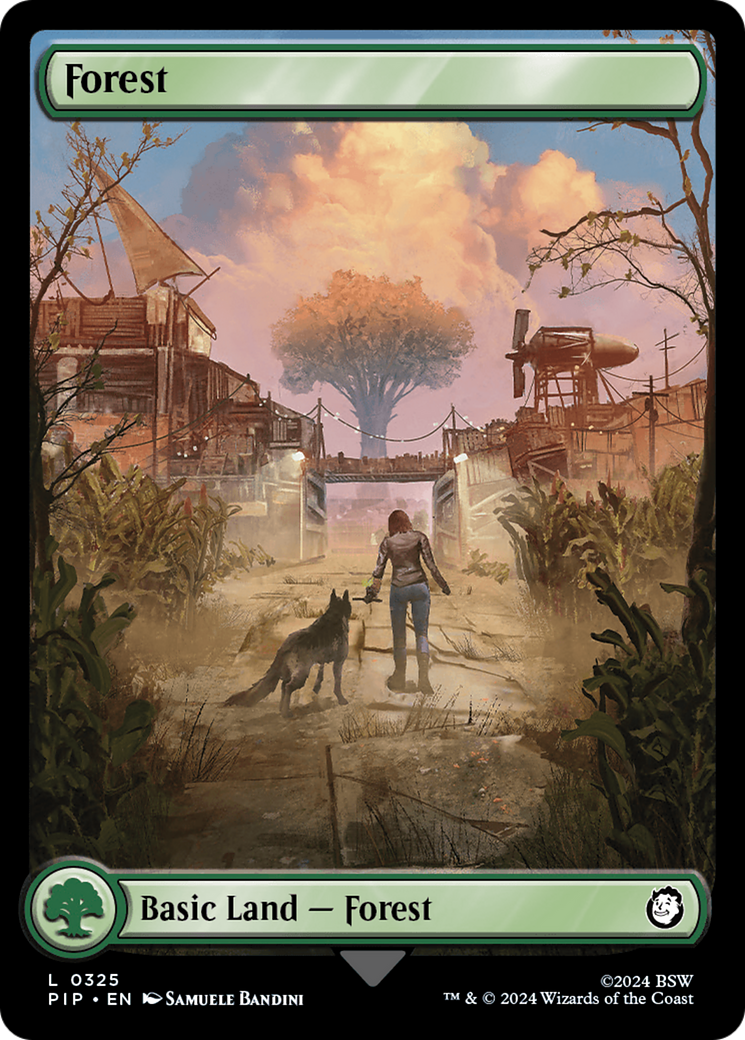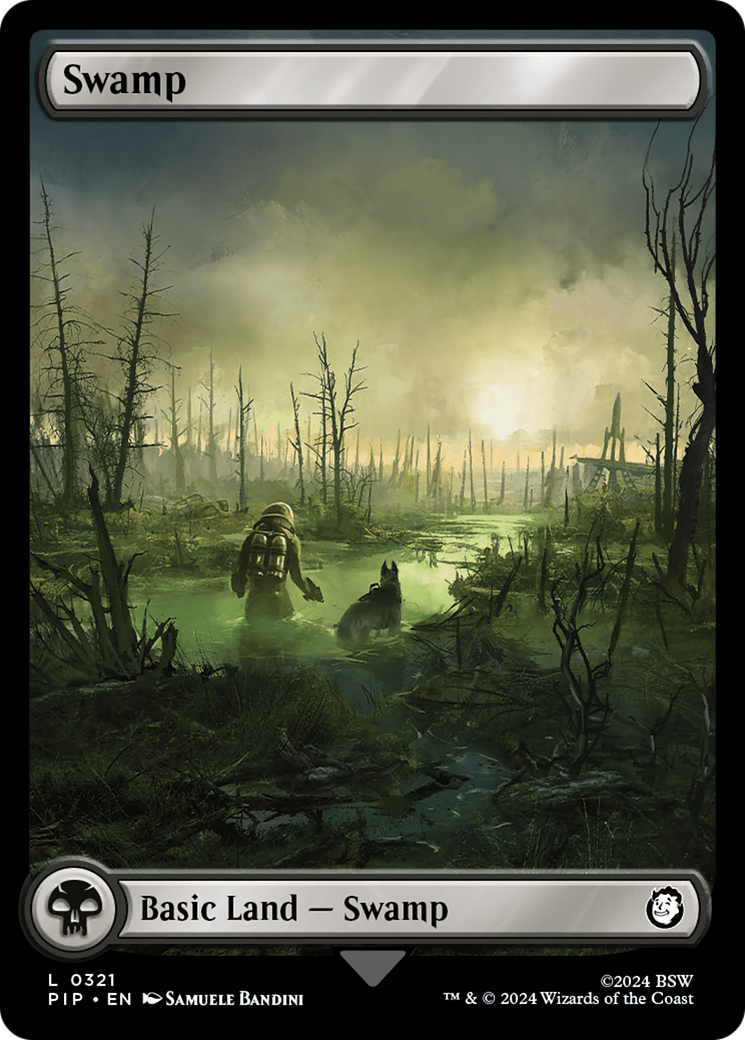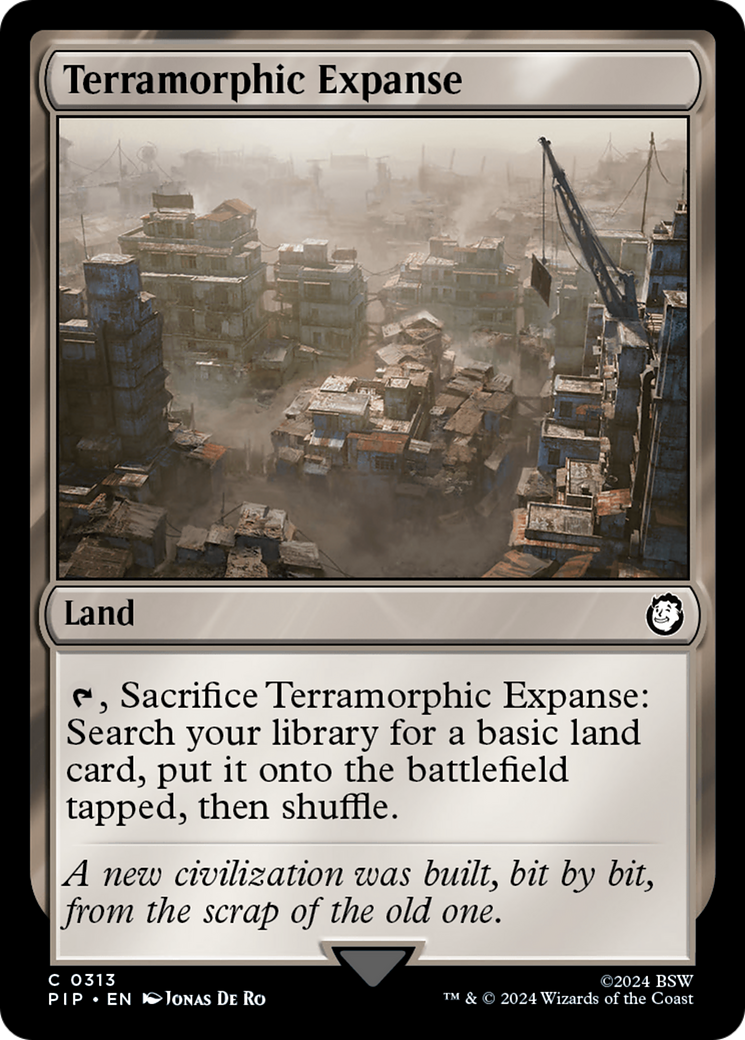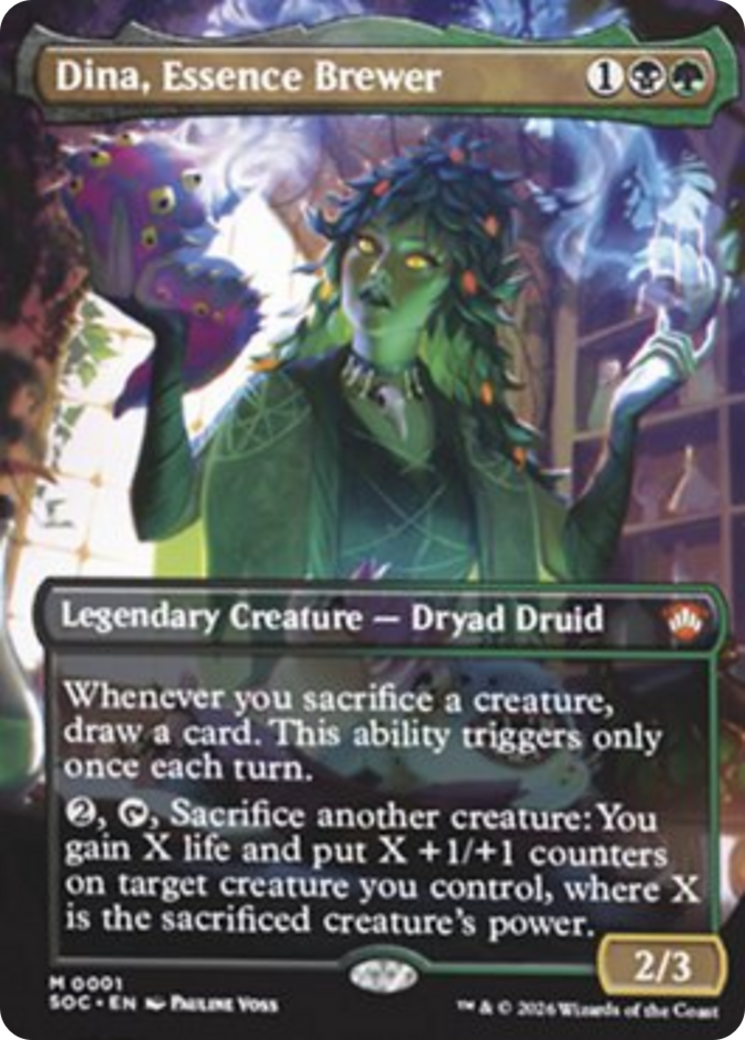
Creatures 40
-
1
Beledros Witherbloom
Beledros Witherbloom
Legendary Creature — Elder Dragon
4/4
Flying
At the beginning of each upkeep, create a 1/1 black and green Pest creature token with "When this token dies, you gain 1 life."
Pay 10 life: Untap all lands you control. Activate only once each turn.
-
1
Blood Artist
Blood Artist
Creature — Vampire
0/1
Whenever this creature or another creature dies, target player loses 1 life and you gain 1 life.
- If Blood Artist and one or more other creatures die at the same time, its ability will trigger for each of those creatures.
-
1
Bloodghast
Bloodghast
Creature — Vampire Spirit
2/1
This creature can't block.
This creature has haste as long as an opponent has 10 or less life.
Landfall — Whenever a land you control enters, you may return this card from your graveyard to the battlefield.
- Whenever a land you control enters, each landfall ability of permanents you control will trigger. You can put them on the stack in any order. The last ability you put on the stack will be the first one to resolve. As a result, you can have those abilities resolve in the order of your choosing.
- A landfall ability triggers whenever a land you control enters for any reason. It triggers whenever you play a land, as well as whenever a spell or ability puts a land onto the battlefield under your control.
- A landfall ability doesn't trigger if a permanent already on the battlefield becomes a land.
- Bloodghast's landfall ability triggers only if it's already in your graveyard at the time a land enters under your control.
-
1
Blossoming Bogbeast
Blossoming Bogbeast
Creature — Beast
3/3
Whenever this creature attacks, you gain 2 life. Then creatures you control gain trample and get +X/+X until end of turn, where X is the amount of life you gained this turn.
- This ability counts the total amount of life gained without considering any life you lost during that turn. For example, if you lost 3 life and gained 3 life earlier in the turn, you'll gain 2 more life from Blossoming Bogbeast and creatures you control will get +5/+5.
-
1
Creakwood Liege
Creakwood Liege
Creature — Horror
2/2
Other black creatures you control get +1/+1.
Other green creatures you control get +1/+1.
At the beginning of your upkeep, you may create a 1/1 black and green Worm creature token.
- The abilities are separate and cumulative. If another creature you control is both of the listed colors, it will get a total of +2/+2.
- Since the token is black and green, it will get +2/+2 from Creakwood Liege as long as the Liege is on the battlefield.
-
1
Defiling Daemogoth
Defiling Daemogoth
Creature — Demon
5/4
Menace
Whenever a creature you control deals combat damage to a player, you gain 1 life.
At the beginning of your end step, each opponent loses X life, where X is the amount of life you gained this turn.
- The value of X is calculated at the time Defiling Daemogoth's last ability resolves.
-
1
Dina, Essence Brewer
Dina, Essence Brewer
Legendary Creature — Dryad Druid
2/3
Whenever you sacrifice a creature, draw a card. This ability triggers only once each turn.
, , Sacrifice another creature: You gain X life and put X +1/+1 counters on target creature you control, where X is the sacrificed creature's power.
- Use the power of the sacrificed creature as it last existed on the battlefield to determine the value of X.
-
1
Dina, Soul Steeper
Dina, Soul Steeper
Legendary Creature — Dryad Druid
1/3
Whenever you gain life, each opponent loses 1 life.
, Sacrifice another creature: Dina gets +X/+0 until end of turn, where X is the sacrificed creature's power.
- X is the power the creature had when it was on the battlefield, not the power it has in the graveyard.
- Each creature with lifelink dealing combat damage causes a separate life gain event. For example, if two creatures you control with lifelink deal combat damage at the same time, a "whenever you gain life" ability will trigger twice. However, if a single creature you control with lifelink deals combat damage to multiple creatures, players, and/or planeswalkers at the same time (perhaps because it has trample or was blocked by more than one creature), the ability will trigger only once.
- When Dina's first ability resolves, each opponent loses only 1 life, no matter how much life was gained.
- Dina's first ability triggers only once for each life gain event, no matter how much life was gained.
-
1
Eccentric Pestfinder // Turn Stones
//
Eccentric Pestfinder
Creature — Troll Druid
5/5
- As an effect causes a creature with a prepare spell to become prepared (including effects that state that a creature "enters prepared"), that creature's controller creates a copy of that creature's prepare spell in exile. That copy remains in exile for as long as that permanent is on the battlefield and is prepared. That creature's controller may cast that copy as long as it remains in exile. As they cast it, that creature stops being prepared.
- Preparation cards can only be cast with their base characteristics.
- While copies of spells in zones other than the stack cease to exist when state-based actions are checked, this does not apply to copies of prepare spells in exile that were created as a creature became prepared.
- A creature without a prepare spell can't become prepared.
- Being prepared isn't a copiable value. If a permanent becomes a copy of a prepared creature, it won't be prepared. That permanent will have the alternative characteristics, though, and some other effect could cause it to become prepared later.
- Eccentric Pestfinder's last ability will check as your end step starts to see if you gained life this turn. If you didn't, the ability won't trigger at all. It's not possible to gain life during your end step in time to have the ability trigger.
- A preparation card is a creature card in every zone. For example, while it's in your graveyard, Emeritus of Ideation is a blue creature whose mana value is 5. It can't be the target of Zealous Lorecaster's triggered ability ("When this creature enters, return target instant or sorcery card from your graveyard to your hand.").
- Only the current controller of a prepared creature can cast the copy of its prepare spell in exile. It doesn't matter who owns that creature or who controlled it when it became prepared.
- If a prepared creature loses all abilities, it won't stop being prepared, and nothing will happen to its alternative characteristics or to the copy of its prepare spell in exile.
- A creature with a prepare spell can't become prepared more than once at the same time. For example, Emeritus of Ideation is on the battlefield and is prepared. When it attacks, its last ability triggers. When that ability resolves, its controller may still exile eight cards from their graveyard, but doing so won't cause Emeritus of Ideation to become prepared a second time or create a second copy of Ancestral Recall in exile.
- Casting a copy of a prepare spell from exile isn't casting it for an alternative cost. Effects that allow you to cast a spell for an alternative cost or without paying its mana cost may allow you to apply those to a copy of a prepare spell cast from exile.
- If a prepare spell with one or more targets has no legal targets when it tries to resolve, it won't resolve and none of its effects will happen. Since the spell was cast, the associated permanent will still not be prepared.
- If an effect causes a creature to become unprepared, a prepared creature stops being prepared and the associated copy of its prepare spell in exile ceases to exist. If it wasn't prepared at that time, nothing happens.
- Creating a copy of a creature's prepare spell in exile ignores copy exceptions applied to that creature that would affect the copiable values of that spell. For example, say a player casts Croaking Counterpart (a sorcery that says "Create a token that's a copy of target non-Frog creature, except it's a 1/1 green Frog.") targeting Goblin Glasswright. The token copy of Goblin Glasswright will enter prepared as a 1/1 green Frog creature, but the copy of Craft with Pride in exile will still be a red sorcery. The copy of Craft with Pride won't be green, a creature, or a Frog, and it won't have power or toughness.
- If a prepared creature stops being a creature, it will still be prepared, and the copy of its prepare spell will remain in exile. That permanent's controller will still be able to cast it. The same is true if a prepared creature becomes a copy of something else, even if it's then a permanent without a prepare spell.
- If an effect instructs you to choose a card name, you may choose the alternative prepare spell's name. Consider only the alternative characteristics to determine whether that is an appropriate name to choose.
-
1
Elvish Mystic
Elvish Mystic
Creature — Elf Druid
1/1
: Add .
-
1
Gilded Goose
Gilded Goose
Creature — Bird
0/2
Flying
When this creature enters, create a Food token. (It's an artifact with " , , Sacrifice this token: You gain 3 life.")
, : Create a Food token.
, Sacrifice a Food: Add one mana of any color.
- If an effect refers to a Food, it means any Food artifact, not just a Food artifact token. For example, you can sacrifice Tough Cookie (an Artifact Creature — Food Golem) to activate Maraleaf Rider's ability (an ability with "Sacrifice a Food" in its cost).
- You can't sacrifice a Food to pay multiple costs. For example, you can't sacrifice a Food token to activate its own ability and also to activate Maraleaf Rider's ability.
- Whatever you do, don't eat the delicious cards.
- Food is an artifact type. Even though it appears on some creatures, it's never a creature type.
-
1
Gorma, the Gullet
Gorma, the Gullet
Legendary Creature — Pest Frog
1/1
Lifelink
Whenever another creature you control dies, put a +1/+1 counter on Gorma.
Nontoken creatures you control enter with an additional +1/+1 counter on them for each creature that died under your control this turn.
- In the case where Gorma and one or more other creatures enter at the same time, those creatures won't enter with additional +1/+1 counters, even if one or more creatures died under your control this turn.
-
1
Gyome, Master Chef
Gyome, Master Chef
Legendary Creature — Troll Warlock
5/3
Trample
At the beginning of your end step, create a number of Food tokens equal to the number of nontoken creatures you had enter the battlefield under your control this turn.
, Sacrifice a Food: Target creature gains indestructible until end of turn. Tap it.
- Food is an artifact type. Even though it appears on some creatures, it's never a creature type.
- You can't sacrifice a Food to pay multiple costs. For example, you can't sacrifice a Food token to activate its own ability and also to activate Maraleaf Rider's ability.
- Whatever you do, don't eat the delicious cards.
- The second ability will count Gyome itself on the turn it enters the battlefield.
- You can activate the last ability even if the creature is already tapped.
- Gyome, Master Chef's second ability counts all nontoken creatures that entered the battlefield under your control this turn, even if some or all of those creatures are no longer on the battlefield, no longer creatures, or no longer under your control.
-
1
Haywire Mite
Haywire Mite
Artifact Creature — Insect
1/1
When this creature dies, you gain 2 life.
, Sacrifice this creature: Exile target noncreature artifact or noncreature enchantment.
-
1
Jadar, Ghoulcaller of Nephalia
Jadar, Ghoulcaller of Nephalia
Legendary Creature — Human Wizard
1/1
At the beginning of your end step, if you control no creatures with decayed, create a 2/2 black Zombie creature token with decayed. (It can't block. When it attacks, sacrifice it at end of combat.)
- Decayed represents a static ability and a triggered ability. "Decayed" means "This creature can't block" and "When this creature attacks, sacrifice it at end of combat."
- Decayed does not create any attacking requirements. You may choose not to attack with a creature that has decayed.
- Once a creature with decayed attacks, it will be sacrificed at end of combat, even if it no longer has decayed at that time.
- Decayed does not grant haste. Creatures with decayed that enter the battlefield during your turn may not attack until your next turn.
-
1
Mazirek, Kraul Death Priest
Mazirek, Kraul Death Priest
Legendary Creature — Insect Shaman
2/2
Flying
Whenever a player sacrifices another permanent, put a +1/+1 counter on each creature you control.
- A legendary permanent that is put into a graveyard because of the "legend rule" isn't sacrificed.
- If you sacrifice Mazirek and other permanents at the same time, Mazirek's last ability triggers for the other permanents.
- If you sacrifice a permanent as part of casting a spell or activating an ability, Mazirek's last ability will resolve before that spell or ability.
- Mazirek's last ability is a triggered ability, not an activated ability. It doesn't allow you to sacrifice a permanent whenever you want; rather, you need some other way of sacrificing permanents.
-
1
Merchant of Venom
Merchant of Venom
Creature — Cat Warlock
1/1
Menace
When this creature enters, each player sacrifices a creature of their choice.
Whenever a player sacrifices a permanent, put a +1/+1 counter on this creature.
- When Merchant of Venom's second ability resolves, first the player whose turn it is chooses which creature they're going to sacrifice, then each other player in turn order does the same. Players will know the choices of previous players when making their choices. Then all chosen creatures are sacrificed by their controllers simultaneously.
-
1
Morbid Opportunist
Morbid Opportunist
Creature — Human Rogue
1/3
Whenever one or more other creatures die, draw a card. This ability triggers only once each turn.
- If Morbid Opportunist dies at the same time as one or more other creatures, Morbid Opportunist's ability still triggers.
-
1
Mycoloth
Mycoloth
Creature — Fungus
4/4
Devour 2 (As this creature enters, you may sacrifice any number of creatures. It enters with twice that many +1/+1 counters on it.)
At the beginning of your upkeep, create a 1/1 green Saproling creature token for each +1/+1 counter on this creature.
- You may choose not to sacrifice any creatures for the Devour ability.
- If multiple creatures with devour are entering under your control at the same time, you may use each one's devour ability. A creature you already control can be devoured by only one of them, however. (In other words, you can't sacrifice the same creature to satisfy multiple devour abilities.) All creatures devoured this way are sacrificed at the same time.
- The number of Saproling tokens created by the triggered ability is based on the number of +1/+1 counters on Mycoloth, not on the number of creatures Mycoloth devoured. It doesn't matter where the +1/+1 counters came from.
- You may sacrifice only creatures that are already on the battlefield. If a creature with devour and another creature are entering under your control at the same time, the creature with devour can't devour that other creature. The creature with devour also can't devour itself.
-
1
Nether Traitor
Nether Traitor
Creature — Spirit
1/1
Haste
Shadow (This creature can block or be blocked by only creatures with shadow.)
Whenever another creature is put into your graveyard from the battlefield, you may pay . If you do, return this card from your graveyard to the battlefield.
- If an attacking creature has multiple evasion abilities, such as shadow and flying, a creature can block it only if that creature satisfies all of the appropriate evasion abilities.
- Once a creature has been blocked, that creature remains blocked and will deal and be dealt combat damage even if it gains or loses shadow or if the blocking creature gains or loses shadow.
- A token you own that dies is put into your graveyard before it ceases to exist.
- If multiple creatures are put into your graveyard at the same time, Nether Traitor's ability triggers for each of them. Once you return it to the battlefield, you may pay for the other abilities as they resolve, but they'll have no effect if you do. Even if Nether Traitor returns to your graveyard, it's considered a new object and won't be returned.
- Multiple instances of shadow on the same creature are redundant.
- If Nether Traitor and another creature are put into your graveyard at the same time, Nether Traitor's ability won't trigger. This is because it must be in your graveyard before the creature dies in order for its ability that returns it to the battlefield to trigger.
-
1
Ohran Frostfang
Ohran Frostfang
Snow Creature — Snake
2/6
Attacking creatures you control have deathtouch.
Whenever a creature you control deals combat damage to a player, draw a card.
- If one or more creatures you control deal combat damage to players at the same time that lethal damage is dealt to Ohran Frostfang, its ability triggers for each of those creatures.
- Snow is a supertype, not a card type. It has no rules meaning or function by itself, but other cards and abilities may refer to it.
-
1
Ophiomancer
Ophiomancer
Creature — Human Shaman
2/2
At the beginning of each upkeep, if you control no Snakes, create a 1/1 black Snake creature token with deathtouch.
- Ophiomancer's ability checks if you control a Snake at the beginning of each upkeep. If you do, the ability won't trigger.
- Ophiomancer's ability considers any creature you control with the creature type Snake, not just the tokens Ophiomancer creates.
- If the ability does trigger, but you control a Snake when it tries to resolve, the ability will do nothing. No Snake token will be created.
-
1
Pawn of Ulamog
Pawn of Ulamog
Creature — Vampire Shaman
2/2
Whenever this creature or another nontoken creature you control dies, you may create a 0/1 colorless Eldrazi Spawn creature token. It has "Sacrifice this token: Add ."
- If you control more than one Pawn of Ulamog and a nontoken creature you control is put into a graveyard, each of those Pawns' abilities will trigger. You may put up to that many Eldrazi Spawn tokens onto the battlefield.
- If multiple nontoken creatures you control (possibly including Pawn of Ulamog itself) are put into their owners' graveyards at the same time, Pawn of Ulamog's triggered ability will trigger that many times.
-
1
Pest Rescuer
Pest Rescuer
Creature — Dryad Druid
2/2
At the beginning of each upkeep, if you don't control a Pest creature token, create a 1/1 black and green Pest creature token with "When this token dies, you gain 1 life."
If you would gain life, you gain that much life plus 1 instead.
- If you gain an amount of life "for each" of something or "equal to the number" of something, that life is gained as one event and the last ability of Pest Rescuer applies only once.
- Each creature with lifelink dealing combat damage causes a separate life-gaining event. For example, if two creatures you control with lifelink deal combat damage at the same time, Pest Rescuer's last ability will apply twice. However, if a single creature you control with lifelink deals combat damage to multiple creatures, players, planeswalkers, and/or battles at the same time (perhaps because it has trample or was blocked by more than one creature), the ability will apply only once.
- If you control two Pest Rescuers and you would gain life, you gain that much life plus 2. A third Pest Rescuer has you gain that much life plus 3, and so on.
- Pest Rescuer's first ability checks at the moment it would trigger to see if you control any Pest creature tokens. If you do, the ability won't trigger at all. If it does trigger, the ability will check again as it tries to resolve. If you control any Pest creature tokens at that time, the ability won't resolve and none of its effects will happen.
-
1
Priest of Forgotten Gods
Priest of Forgotten Gods
Creature — Human Cleric
1/2
, Sacrifice two other creatures: Any number of target players each lose 2 life and sacrifice a creature of their choice. You add and draw a card.
- You may target players who can't sacrifice a creature. Those players still lose 2 life.
- Because it may have targets, the ability of Priest of Forgotten Gods isn't a mana ability. It uses the stack and can be responded to, even if no targets were chosen.
- You can activate the ability of Priest of Forgotten Gods without choosing any targets if you wish. You'll still add and draw a card.
-
1
Ribtruss Roaster
Ribtruss Roaster
Creature — Troll Druid
3/3
Devour 1 (As this creature enters, you may sacrifice any number of creatures. This creature enters with that many +1/+1 counters on it.)
At the beginning of your end step, create a number of 1/1 black and green Pest creature tokens equal to the number of +1/+1 counters on this creature. They have "When this token dies, you gain 1 life."
- Ribtruss Roaster can't devour creatures entering at the same time as it.
- If Ribtruss Roaster is no longer on the battlefield when its last ability resolves, use the number of +1/+1 counters that were on it as it last existed on the battlefield to determine how many tokens to create.
-
1
Sakura-Tribe Elder
Sakura-Tribe Elder
Creature — Snake Shaman
1/1
Sacrifice this creature: Search your library for a basic land card, put that card onto the battlefield tapped, then shuffle.
-
1
Smothering Abomination
Smothering Abomination
Creature — Eldrazi
4/3
Devoid (This card has no color.)
Flying
At the beginning of your upkeep, sacrifice a creature.
Whenever you sacrifice a creature, draw a card.
- If a card loses devoid, it will still be colorless. This is because effects that change an object's color (like the one created by devoid) are considered before the object loses devoid.
- Other cards and abilities can give a card with devoid color. If that happens, it's just the new color, not that color and colorless.
- You choose which creature you control to sacrifice as the first triggered ability resolves. Players can respond to this ability triggering, but once you choose a creature to sacrifice, it's too late for anyone to respond.
- Devoid works in all zones, not just on the battlefield.
- Sacrificing Smothering Abomination will cause its last ability to trigger.
- Cards with devoid use frames that are variations of the transparent frame traditionally used for Eldrazi. The top part of the card features some color over a background based on the texture of the hedrons that once imprisoned the Eldrazi. This coloration is intended to aid deckbuilding and game play.
- If Smothering Abomination is the only creature you control as its first triggered ability resolves, you must sacrifice it.
- A card with devoid is just colorless. It's not colorless and the colors of mana in its mana cost.
-
1
Springbloom Druid
Springbloom Druid
Creature — Elf Druid
1/1
When this creature enters, you may sacrifice a land. If you do, search your library for up to two basic land cards, put them onto the battlefield tapped, then shuffle.
- While resolving Springbloom Druid's triggered ability, you can't sacrifice multiple lands to search for more than two basic land cards.
-
1
Stensian Sanguinist // Exsanguinate
//
Stensian Sanguinist
Creature — Vampire Cleric
2/2
- A creature without a prepare spell can't become prepared.
- Preparation cards can only be cast with their base characteristics.
- While copies of spells in zones other than the stack cease to exist when state-based actions are checked, this does not apply to copies of prepare spells in exile that were created as a creature became prepared.
- A creature with a prepare spell can't become prepared more than once at the same time. For example, Emeritus of Ideation is on the battlefield and is prepared. When it attacks, its last ability triggers. When that ability resolves, its controller may still exile eight cards from their graveyard, but doing so won't cause Emeritus of Ideation to become prepared a second time or create a second copy of Ancestral Recall in exile.
- Creating a copy of a creature's prepare spell in exile ignores copy exceptions applied to that creature that would affect the copiable values of that spell. For example, say a player casts Croaking Counterpart (a sorcery that says "Create a token that's a copy of target non-Frog creature, except it's a 1/1 green Frog.") targeting Goblin Glasswright. The token copy of Goblin Glasswright will enter prepared as a 1/1 green Frog creature, but the copy of Craft with Pride in exile will still be a red sorcery. The copy of Craft with Pride won't be green, a creature, or a Frog, and it won't have power or toughness.
- As an effect causes a creature with a prepare spell to become prepared (including effects that state that a creature "enters prepared"), that creature's controller creates a copy of that creature's prepare spell in exile. That copy remains in exile for as long as that permanent is on the battlefield and is prepared. That creature's controller may cast that copy as long as it remains in exile. As they cast it, that creature stops being prepared.
- If a prepared creature stops being a creature, it will still be prepared, and the copy of its prepare spell will remain in exile. That permanent's controller will still be able to cast it. The same is true if a prepared creature becomes a copy of something else, even if it's then a permanent without a prepare spell.
- Casting a copy of a prepare spell from exile isn't casting it for an alternative cost. Effects that allow you to cast a spell for an alternative cost or without paying its mana cost may allow you to apply those to a copy of a prepare spell cast from exile.
- If a prepare spell with one or more targets has no legal targets when it tries to resolve, it won't resolve and none of its effects will happen. Since the spell was cast, the associated permanent will still not be prepared.
- A preparation card is a creature card in every zone. For example, while it's in your graveyard, Emeritus of Ideation is a blue creature whose mana value is 5. It can't be the target of Zealous Lorecaster's triggered ability ("When this creature enters, return target instant or sorcery card from your graveyard to your hand.").
- If an effect causes a creature to become unprepared, a prepared creature stops being prepared and the associated copy of its prepare spell in exile ceases to exist. If it wasn't prepared at that time, nothing happens.
- Players can lose more life than they have. For example, say you're playing a multiplayer game in which one of your opponents has 3 life and your other opponent has 10 life. If you cast Exsanguinate with X of 4, your opponents will wind up at -1 life and 6 life, respectively. You'll gain 8 life.
- Only the current controller of a prepared creature can cast the copy of its prepare spell in exile. It doesn't matter who owns that creature or who controlled it when it became prepared.
- Being prepared isn't a copiable value. If a permanent becomes a copy of a prepared creature, it won't be prepared. That permanent will have the alternative characteristics, though, and some other effect could cause it to become prepared later.
- If a prepared creature loses all abilities, it won't stop being prepared, and nothing will happen to its alternative characteristics or to the copy of its prepare spell in exile.
- If an effect instructs you to choose a card name, you may choose the alternative prepare spell's name. Consider only the alternative characteristics to determine whether that is an appropriate name to choose.
-
1
Teacher's Pest
Teacher's Pest
Creature — Skeleton Pest
1/1
Menace (This creature can't be blocked except by two or more creatures.)
Whenever this creature attacks, you gain 1 life.
: Return this card from your graveyard to the battlefield tapped.
-
1
Tendershoot Dryad
Tendershoot Dryad
Creature — Dryad
2/2
Ascend (If you control ten or more permanents, you get the city's blessing for the rest of the game.)
At the beginning of each upkeep, create a 1/1 green Saproling creature token.
Saprolings you control get +2/+2 as long as you have the city's blessing.
- If your tenth permanent enters the battlefield and then a permanent leaves the battlefield immediately afterwards (most likely due to the "Legend Rule" or due to being a creature with 0 toughness), you get the city's blessing before it leaves the battlefield.
- Because damage remains marked on a creature until it's removed as the turn ends, nonlethal damage dealt to a Saproling you control may become lethal if Tendershoot Dryad leaves the battlefield during that turn.
- Some cards get power, toughness, and/or abilities once you have the city's blessing. If another card has an ability that triggers when creatures with certain characteristics enter the battlefield (such as Mentor of the Meek or Elemental Bond do), use the entering permanent's characteristics after you have the city's blessing to determine whether those abilities trigger. This is true even if the entering permanent is your tenth permanent.
- Ascend on a permanent isn't a triggered ability and doesn't use the stack. Players can respond to a spell that will give you your tenth permanent, but they can't respond to getting the city's blessing once you control that tenth permanent. This means that if your tenth permanent is a land you play, players can't respond before you get the city's blessing.
- If you cast a spell with ascend, you don't get the city's blessing until it resolves. Players may respond to that spell by trying to change whether you get the city's blessing.
- A permanent is any object on the battlefield, including tokens and lands. Spells and emblems aren't permanents.
- If you control ten permanents but don't control a permanent or resolving spell with ascend, you don't get the city's blessing. For example, if you control ten permanents, lose control of one, then cast Golden Demise, you won't have the city's blessing and the spell will affect creatures you control.
- Once you have the city's blessing, you have it for the rest of the game, even if you lose control of some or all of your permanents. The city's blessing isn't a permanent itself and can't be removed by any effect.
-
1
Umbral Collar Zealot
Umbral Collar Zealot
Creature — Human Cleric
3/2
Sacrifice another creature or artifact: Surveil 1. (Look at the top card of your library. You may put it into your graveyard.)
-
1
Veinwitch Coven
Veinwitch Coven
Creature — Vampire Warlock
3/3
Menace
Whenever you gain life, you may pay . If you do, return target creature card from your graveyard to your hand.
- An ability that triggers "whenever you gain life" triggers just once for each life-gaining event, no matter how much life you gain.
- You may only pay once for each life gain event.
- Each creature with lifelink dealing combat damage causes a separate life-gaining event. For example, if two creatures you control with lifelink deal combat damage at the same time, a "whenever you gain life" ability will trigger twice. However, if a single creature you control with lifelink deals combat damage to multiple creatures, players, and/or planeswalkers at the same time (perhaps because it has trample or was blocked by more than one creature), the ability will trigger only once.
- If you gain an amount of life "for each" of something, that life is gained as one event and the ability will trigger only once.
-
1
Viscera Seer
Viscera Seer
Creature — Vampire Wizard
1/1
Sacrifice a creature: Scry 1. (Look at the top card of your library. You may put that card on the bottom.)
- You can sacrifice Viscera Seer to activate its own ability.
- If you sacrifice an attacking or blocking creature during the declare blockers step, it won't deal combat damage. If you wait until the combat damage step, but that creature is dealt lethal damage, it'll be destroyed before you get a chance to sacrifice it.
-
1
Wight of the Reliquary
Wight of the Reliquary
Creature — Zombie Knight
2/2
Vigilance
This creature gets +1/+1 for each creature card in your graveyard.
, Sacrifice another creature: Search your library for a land card, put it onto the battlefield tapped, then shuffle.
-
1
Witch of the Moors
Witch of the Moors
Creature — Human Warlock
4/4
Deathtouch
At the beginning of your end step, if you gained life this turn, each opponent sacrifices a creature of their choice and you return up to one target creature card from your graveyard to your hand.
- The triggered ability triggers just once, no matter how much life you've gained.
- You don't have to choose a target creature card at all. If you do and the target card is an illegal target by the time the ability tries to resolve, the ability won't resolve. Your opponents won't sacrifice creatures.
- As the triggered ability resolves, first the next opponent in turn order chooses a creature they control, then each other opponent in turn order does the same knowing the choices made before them. Then all the chosen creatures are sacrificed at the same time.
- If you haven't gained life by the time your end step begins, the triggered ability won't trigger at all.
- The triggered ability looks at whether you've gained life in the turn, even if Witch of the Moors wasn't on the battlefield when you gained life. It doesn't care if you also lost life, even if you lost more life than you gained.
-
1
Woe Strider
Woe Strider
Creature — Horror
3/2
When this creature enters, create a 0/1 white Goat creature token.
Sacrifice another creature: Scry 1.
Escape— , Exile four other cards from your graveyard. (You may cast this card from your graveyard for its escape cost.)
This creature escapes with two +1/+1 counters on it.
- Once you begin casting a spell with escape, it immediately moves to the stack. Players can't take any other actions until you're done casting the spell.
- If a card with escape is put into your graveyard during your turn, you'll be able to cast it right away if it's legal to do so, before an opponent can take any actions.
- To determine the total cost of a spell, start with the mana cost or alternative cost you're paying (such as an escape cost), add any cost increases, then apply any cost reductions. The mana value of the spell remains unchanged, no matter what the total cost to cast it was and no matter whether an alternative cost was paid.
- After an escaped spell resolves, it returns to its owner's graveyard if it's not a permanent spell. If it is a permanent spell, it enters the battlefield and will return to its owner's graveyard if it dies later. Perhaps it will escape again—good underworld security is so hard to come by these days.
- Escape's permission doesn't change when you may cast the spell from your graveyard.
- If a card has multiple abilities giving you permission to cast it, such as two escape abilities or an escape ability and a flashback ability, you choose which one to apply. The others have no effect.
- If you cast a spell with its escape permission, you can't choose to apply any other alternative costs or to cast it without paying its mana cost. If it has any additional costs, you must pay those.
-
1
Yahenni, Undying Partisan
Yahenni, Undying Partisan
Legendary Creature — Aetherborn Vampire
2/2
Haste
Whenever a creature an opponent controls dies, put a +1/+1 counter on Yahenni.
Sacrifice another creature: Yahenni gains indestructible until end of turn.
- If Yahenni and a creature an opponent controls die simultaneously (perhaps because they fought or were in combat together), Yahenni won't be on the battlefield as its triggered ability resolves. It can't be saved by the +1/+1 counter that would have been put on it.
-
1
Zulaport Cutthroat
Zulaport Cutthroat
Creature — Human Rogue Ally
1/1
Whenever this creature or another creature you control dies, each opponent loses 1 life and you gain 1 life.
- If another creature you control dies at the same time as Zulaport Cutthroat, its ability triggers for that creature.
Instants 5
-
1
Assassin's Trophy
Assassin's Trophy
Instant
Destroy target permanent an opponent controls. Its controller may search their library for a basic land card, put it onto the battlefield, then shuffle.
- If the target permanent is a legal target but isn't destroyed, most likely because it has indestructible, its controller may search their library.
- If the target permanent is an illegal target by the time Assassin's Trophy tries to resolve, the spell doesn't resolve. No player searches their library.
- If the permanent's controller doesn't search their library, they don't shuffle their library.
- If the target permanent is a legal target but isn't destroyed, most likely because it has indestructible, its controller may search their library.
- If the permanent's controller doesn't search their library, they don't shuffle their library.
- If the target permanent is an illegal target by the time Assassin's Trophy tries to resolve, the spell doesn't resolve. No player searches their library.
-
1
Infernal Grasp
Infernal Grasp
Instant
Destroy target creature. You lose 2 life.
-
1
Mortality Spear
Mortality Spear
Instant
This spell costs less to cast if you gained life this turn.
Destroy target nonland permanent.
- To determine the total cost of a spell, start with the mana cost or alternative cost you're paying, add any cost increases, then apply any cost reductions (such as that of Mortality Spear). Mortality Spear's mana value is always 4, no matter what the total cost to cast it was.
-
1
Plumb the Forbidden
Plumb the Forbidden
Instant
As an additional cost to cast this spell, you may sacrifice one or more creatures. When you do, copy this spell for each creature sacrificed this way.
You draw a card and lose 1 life.
- If you copy Plumb the Forbidden multiple times, each magecraft ability of a creature you control will trigger that many times.
- If you sacrifice a creature with a magecraft ability to cast Plumb the Forbidden, that creature's ability will not trigger.
-
1
Witherbloom Charm
Witherbloom Charm
Instant
Choose one —
- You may sacrifice a permanent. If you do, draw two cards.
- You gain 5 life.
- Destroy target nonland permanent with mana value 2 or less.
- If a permanent has in its mana cost, X is 0 for the purpose of determining its mana value.
Sorceries 11
-
1
Casualties of War
Casualties of War
Sorcery
Choose one or more —
- Destroy target artifact.
- Destroy target creature.
- Destroy target enchantment.
- Destroy target land.
- Destroy target planeswalker.
- Each target permanent is destroyed in the order specified. Abilities that trigger when one is destroyed won't be put onto the stack until Casualties of War has finished resolving.
- You can choose any number of the modes for Casualties of War, but you can't choose a mode more than once.
-
1
Culling Ritual
Culling Ritual
Sorcery
Destroy each nonland permanent with mana value 2 or less. Add or for each permanent destroyed this way.
- You can choose to add either or for each permanent destroyed. You aren't limited to one color.
-
1
Cultivate
Cultivate
Sorcery
Search your library for up to two basic land cards, reveal those cards, put one onto the battlefield tapped and the other into your hand, then shuffle.
- If you choose to find only one basic land card, you put it onto the battlefield tapped.
-
1
Deadly Brew
Deadly Brew
Sorcery
Each player sacrifices a creature or planeswalker of their choice. If you sacrificed a permanent this way, you may return another permanent card from your graveyard to your hand.
- You choose which permanent card you're returning to your hand, if any, as Deadly Brew resolves, after permanents are sacrificed.
- First the active player chooses which creature or planeswalker they'll sacrifice, then each other player in turn order does the same, knowing choices made before their choice. Then all those permanents are sacrificed simultaneously.
- You cannot return the same permanent card that you sacrificed.
- If you cast Deadly Brew and control any creatures or planeswalkers as it resolves, you must sacrifice one of them.
-
1
Final Act
Final Act
Sorcery
Choose one or more —
- Destroy all creatures.
- Destroy all planeswalkers.
- Destroy all battles.
- Exile all graveyards.
- Each opponent loses all counters.
- If you choose more than one mode for Final Act, you perform the actions in the order written.
- Counters that players could have include energy counters, experience counters, poison counters, rad counters, and ticket counters.
-
1
Immoral Bargain
Immoral Bargain
Sorcery
As an additional cost to cast this spell, sacrifice X creatures.
Destroy X target nonland permanents.
-
1
Night's Whisper
Night's Whisper
Sorcery
You draw two cards and lose 2 life.
-
1
Ominous Harvest
Ominous Harvest
Sorcery
Gravestorm (When you cast this spell, copy it for each permanent put into a graveyard from the battlefield this turn.)
Target player draws a card and loses 1 life.
- You may choose new targets for any of the copies. You can make different choices for each copy.
- The copies of Ominous Harvest created by its gravestorm ability are created on the stack, so they're not cast and won't cause abilities that trigger when a player casts a spell to trigger.
- A copy of a spell can be countered like any other spell, but it must be countered individually. Countering a spell with gravestorm won't affect the copies.
- Gravestorm counts all permanents put into graveyards from the battlefield this turn. It doesn't matter who controlled those permanents, who owns them, or whether or not they were tokens.
- The triggered ability that creates the copies can itself be countered by anything that can counter a triggered ability. If it is countered, no copies will be put onto the stack.
-
1
Pest Infestation
Pest Infestation
Sorcery
Destroy up to X target artifacts and/or enchantments. Create twice X 1/1 black and green Pest creature tokens with "When this token dies, you gain 1 life."
- The number of Pests created is equal to twice the chosen value of X, no matter how many artifacts and enchantments were destroyed.
- If any artifacts or enchantments were chosen as targets, and all of them are illegal targets as Pest Infestation tries to resolve, it won't resolve and none of its effects will happen. No Pests will be created.
-
1
Toxic Deluge
Toxic Deluge
Sorcery
As an additional cost to cast this spell, pay X life.
All creatures get -X/-X until end of turn.
- All creatures on the battlefield when Toxic Deluge resolves are affected. Ones that enter the battlefield or become creatures later in the turn are not.
- If you cast Toxic Deluge without paying its mana cost, you'll still choose a value for X and pay X life. This is because it doesn't have in its mana cost.
-
1
Witherbloom Command
Witherbloom Command
Sorcery
Choose two —
- Target player mills three cards, then you return a land card from your graveyard to your hand.
- Destroy target noncreature, nonland permanent with mana value 2 or less.
- Target creature gets -3/-1 until end of turn.
- Target opponent loses 2 life and you gain 2 life.
- If at least one target is still legal as Witherbloom Command tries to resolve, it will resolve and do as much as it can.
- If you target yourself with the first mode, you may return any land card to your hand, including one you just milled or one that was already there.
- If all of Witherbloom Command's targets are illegal as it tries to resolve, it will do nothing.
Artifacts 2
-
1
Arcane Signet
Arcane Signet
Artifact
: Add one mana of any color in your commander's color identity.
- If your commander is a card that has no colors in its color identity, Arcane Signet's ability produces no mana. It doesn't produce .
- If you have two commanders, the ability adds one mana of any color in their combined color identities.
- If you don't have a commander, Arcane Signet's ability produces no mana.
-
1
Sol Ring
Sol Ring
Artifact
: Add .
Enchantments 5
-
1
Awakening Zone
Awakening Zone
Enchantment
At the beginning of your upkeep, you may create a 0/1 colorless Eldrazi Spawn creature token. It has "Sacrifice this token: Add ."
-
1
Blight Mound
Blight Mound
Enchantment
Attacking Pests you control get +1/+0 and have menace.
Whenever a nontoken creature you control dies, create a 1/1 black and green Pest creature token with "When this token dies, you gain 1 life."
-
1
Feral Appetite
Feral Appetite
Enchantment
Attacking Pests you control get +1/+0 and have deathtouch.
: Exile target card from a graveyard. If a creature card is exiled this way, create a 1/1 black and green Pest creature token with "When this token dies, you gain 1 life."
-
1
Moldervine Reclamation
Moldervine Reclamation
Enchantment
Whenever a creature you control dies, you gain 1 life and draw a card.
- If Moldervine Reclamation leaves the battlefield at the same time that one or more creatures you control die, its ability triggers for each of those creatures.
- If a creature you control dies at the same time that your life total becomes 0 or less, you lose the game before Moldervine Reclamation's ability can save you.
-
1
Trudge Garden
Trudge Garden
Enchantment
Whenever you gain life, you may pay . If you do, create a 4/4 green Fungus Beast creature token with trample.
- Each creature with lifelink dealing combat damage causes a separate life-gaining event. For example, if two creatures you control with lifelink deal combat damage at the same time, a "whenever you gain life" ability will trigger twice. However, if a single creature you control with lifelink deals combat damage to multiple creatures, players, and/or planeswalkers at the same time (perhaps because it has trample or was blocked by more than one creature), the ability will trigger only once.
- You may only pay once for each life gain event.
- If you gain an amount of life "for each" of something, that life is gained as one event and the ability will trigger only once.
- An ability that triggers "whenever you gain life" triggers just once for each life-gaining event, no matter how much life you gain.
Lands 37
-
1
Bojuka Bog
Bojuka Bog
Land
This land enters tapped.
When this land enters, exile target player's graveyard.
: Add .
-
1
Command Tower
Command Tower
Land
: Add one mana of any color in your commander's color identity.
- If you don't have a commander, Command Tower's ability produces no mana.
- If your commander is a card that has no colors in its color identity, Command Tower's ability produces no mana. It doesn't produce .
- If you have two commanders, the ability adds one mana of any color in their combined color identities.
-
1
Exotic Orchard
Exotic Orchard
Land
: Add one mana of any color that a land an opponent controls could produce.
- Lands that produce mana based only on what other lands "could produce" won't help each other unless some other land allows one of them to actually produce some type of mana. For example, if you control an Exotic Orchard and your opponent controls an Exotic Orchard and a Reflecting Pool, none of those lands would produce mana if their mana abilities were activated. On the other hand, if you control a Forest and an Exotic Orchard, and your opponent controls an Exotic Orchard and a Reflecting Pool, then each of those lands can be tapped to produce . Your opponent's Exotic Orchard can produce because you control a Forest. Your Exotic Orchard and your opponent's Reflecting Pool can each produce because your opponent's Exotic Orchard can produce .
- When determining what colors of mana your opponents' lands could produce, Exotic Orchard takes into account any applicable replacement effects that would apply to those lands' mana abilities (such as Contamination's effect, for example). If there are more than one, consider them in any possible order.
- The colors of mana are white, blue, black, red, and green. Exotic Orchard can't be tapped for colorless mana, even if a land an opponent controls could produce colorless mana.
- Exotic Orchard doesn't care about any restrictions or riders your opponents' lands (such as Ancient Ziggurat or Hall of the Bandit Lord) put on the mana they produce. It just cares about colors of mana.
- Exotic Orchard checks the effects of all mana-producing abilities of lands your opponents control, but it doesn't check their costs. For example, Vivid Crag has the ability " , Remove a charge counter from Vivid Crag: Add one mana of any color." If an opponent controls Vivid Crag and you control Exotic Orchard, you can tap Exotic Orchard for any color of mana. It doesn't matter whether Vivid Crag has a charge counter on it, and it doesn't matter whether it's untapped.
-
1
Fabled Passage
Fabled Passage
Land
, Sacrifice this land: Search your library for a basic land card, put it onto the battlefield tapped, then shuffle. Then if you control four or more lands, untap that land.
- If you control four or more lands, the basic land doesn't enter untapped; it enters tapped and then you untap it.
- The land that you put onto the battlefield will be counted when determining whether you control four or more lands, but Fabled Passage will not.
-
1
Festering Thicket
Festering Thicket
Land — Swamp Forest
( : Add or .)
This land enters tapped.
Cycling ( , Discard this card: Draw a card.)
- Unlike some other dual lands, Festering Thicket has two basic land types. It’s not basic, so effects that search for basic lands (such as the ability of a Lander token) can’t find it, but it does have the appropriate land types for effects such as that of Wastewood Verge (from the Aetherdrift release).
-
8
Forest
Forest
Basic Land — Forest
( : Add .)
-
1
Grim Backwoods
Grim Backwoods
Land
: Add .
, , Sacrifice a creature: Draw a card.
-
1
Haunted Mire
Haunted Mire
Land — Swamp Forest
( : Add or .)
This land enters tapped.
-
1
High Market
High Market
Land
: Add .
, Sacrifice a creature: You gain 1 life.
-
1
Llanowar Wastes
Llanowar Wastes
Land
: Add .
: Add or . This land deals 1 damage to you.
- The damage dealt to you is part of the second mana ability. It doesn't use the stack and can't be responded to.
- Like most lands, each land in this cycle is colorless. The damage dealt to you is dealt by a colorless source.
-
1
Necroblossom Snarl
Necroblossom Snarl
Land
As this land enters, you may reveal a Swamp or Forest card from your hand. If you don't, this land enters tapped.
: Add or .
- If an effect instructs you to put one of these lands onto the battlefield tapped, it will still enter the battlefield tapped even if you reveal a land card from your hand.
- You may reveal any land card with either or both of the appropriate subtypes. It doesn't have to be a basic land card.
- The "Snarl" itself doesn't have any land subtypes. You can't reveal one to satisfy the ability of another.
- If a land card with an appropriate subtype is entering the battlefield from your hand at the same time as one of these lands, you may reveal the other land to have the "Snarl" enter untapped.
-
1
Path of Ancestry
Path of Ancestry
Land
This land enters tapped.
: Add one mana of any color in your commander's color identity. When that mana is spent to cast a creature spell that shares a creature type with your commander, scry 1. (Look at the top card of your library. You may put that card on the bottom.)
- Your commander's creature types are checked immediately after you cast a creature spell spending mana from Path of Ancestry's last ability. They aren't set before the game begins, and they may not be the same types your commander had when you activated that ability.
- If you have two commanders, the last ability adds one mana of any color in their combined color identities. When you spend that mana on a creature spell that shares a creature type with either of your commanders, you'll scry 1.
- If Path of Ancestry's last ability produces two mana (most likely due to Mana Reflection), spending those two mana to cast creature spells that share a creature type with your commander will cause two abilities to trigger. Each of those abilities will cause you to scry 1. You won't scry 2. This is true whether you spend the mana on one creature spell or two.
- If your commander has no creature types, it can't share a creature type with any spell that you cast.
- If you cast your commander with mana from Path of Ancestry, and your commander hasn't somehow lost all of its creature types while on the stack, you'll scry 1.
- If you don't have a commander, Path of Ancestry's ability produces no mana.
- If your commander is a card that has no colors in its color identity, Path of Ancestry's ability produces no mana. It doesn't produce .
-
1
Study Hall
Study Hall
Land
: Add .
, : Add one mana of any color. When you spend this mana to cast your commander, scry X, where X is the number of times it's been cast from the command zone this game.
-
8
Swamp
Swamp
Basic Land — Swamp
( : Add .)
-
1
Temple of Malady
Temple of Malady
Land
This land enters tapped.
When this land enters, scry 1. (Look at the top card of your library. You may put that card on the bottom.)
: Add or .
-
1
Terramorphic Expanse
Terramorphic Expanse
Land
, Sacrifice this land: Search your library for a basic land card, put it onto the battlefield tapped, then shuffle.
-
1
Titan's Grave
Titan's Grave
Land
This land enters tapped.
: Add or .
, : Surveil 1. (Look at the top card of your library. You may put it into your graveyard.)
-
1
Turbulent Fen
Turbulent Fen
Land — Swamp Forest
( : Add or .)
This land enters tapped unless your opponents control eight or more lands.
- If this land enters the battlefield at the same time as any number of lands your opponents control, those other lands are not counted when determining if this land enters the battlefield tapped or untapped.
- Unlike some other dual lands, Turbulent Fen has two basic land types. It's not basic, so effects that search for basic lands can't find it, but it does have the appropriate land types for effects such as that of Necroblossom Snarl (included in the Secrets of Strixhaven Commander decks).
-
1
Twilight Mire
Twilight Mire
Land
: Add .
, : Add , , or .
-
1
Vernal Fen
Vernal Fen
Land — Swamp Forest
( : Add or .)
This land enters tapped unless you control two or more basic lands.
- Unlike some other dual lands, Vernal Fen has two basic land types. It’s not basic, so effects that search for basic lands (such as the ability of a Lander token) can’t find it, but it does have the appropriate land types for effects such as that of Wastewood Verge (from the Aetherdrift release).
-
1
Viridescent Bog
Viridescent Bog
Land
, : Add .
-
1
Witherbloom Campus
Witherbloom Campus
Land
This land enters tapped.
: Add or .
, : Scry 1. (Look at the top card of your library. You may put that card on the bottom.)
-
1
Woodland Cemetery
Woodland Cemetery
Land
This land enters tapped unless you control a Swamp or a Forest.
: Add or .
Black 26
-
1
Blight Mound
Blight Mound
Enchantment
Attacking Pests you control get +1/+0 and have menace.
Whenever a nontoken creature you control dies, create a 1/1 black and green Pest creature token with "When this token dies, you gain 1 life."
-
1
Blood Artist
Blood Artist
Creature — Vampire
0/1
Whenever this creature or another creature dies, target player loses 1 life and you gain 1 life.
- If Blood Artist and one or more other creatures die at the same time, its ability will trigger for each of those creatures.
-
1
Bloodghast
Bloodghast
Creature — Vampire Spirit
2/1
This creature can't block.
This creature has haste as long as an opponent has 10 or less life.
Landfall — Whenever a land you control enters, you may return this card from your graveyard to the battlefield.
- Whenever a land you control enters, each landfall ability of permanents you control will trigger. You can put them on the stack in any order. The last ability you put on the stack will be the first one to resolve. As a result, you can have those abilities resolve in the order of your choosing.
- A landfall ability triggers whenever a land you control enters for any reason. It triggers whenever you play a land, as well as whenever a spell or ability puts a land onto the battlefield under your control.
- A landfall ability doesn't trigger if a permanent already on the battlefield becomes a land.
- Bloodghast's landfall ability triggers only if it's already in your graveyard at the time a land enters under your control.
-
1
Defiling Daemogoth
Defiling Daemogoth
Creature — Demon
5/4
Menace
Whenever a creature you control deals combat damage to a player, you gain 1 life.
At the beginning of your end step, each opponent loses X life, where X is the amount of life you gained this turn.
- The value of X is calculated at the time Defiling Daemogoth's last ability resolves.
-
1
Final Act
Final Act
Sorcery
Choose one or more —
- Destroy all creatures.
- Destroy all planeswalkers.
- Destroy all battles.
- Exile all graveyards.
- Each opponent loses all counters.
- If you choose more than one mode for Final Act, you perform the actions in the order written.
- Counters that players could have include energy counters, experience counters, poison counters, rad counters, and ticket counters.
-
1
Infernal Grasp
Infernal Grasp
Instant
Destroy target creature. You lose 2 life.
-
1
Jadar, Ghoulcaller of Nephalia
Jadar, Ghoulcaller of Nephalia
Legendary Creature — Human Wizard
1/1
At the beginning of your end step, if you control no creatures with decayed, create a 2/2 black Zombie creature token with decayed. (It can't block. When it attacks, sacrifice it at end of combat.)
- Decayed represents a static ability and a triggered ability. "Decayed" means "This creature can't block" and "When this creature attacks, sacrifice it at end of combat."
- Decayed does not create any attacking requirements. You may choose not to attack with a creature that has decayed.
- Once a creature with decayed attacks, it will be sacrificed at end of combat, even if it no longer has decayed at that time.
- Decayed does not grant haste. Creatures with decayed that enter the battlefield during your turn may not attack until your next turn.
-
1
Merchant of Venom
Merchant of Venom
Creature — Cat Warlock
1/1
Menace
When this creature enters, each player sacrifices a creature of their choice.
Whenever a player sacrifices a permanent, put a +1/+1 counter on this creature.
- When Merchant of Venom's second ability resolves, first the player whose turn it is chooses which creature they're going to sacrifice, then each other player in turn order does the same. Players will know the choices of previous players when making their choices. Then all chosen creatures are sacrificed by their controllers simultaneously.
-
1
Morbid Opportunist
Morbid Opportunist
Creature — Human Rogue
1/3
Whenever one or more other creatures die, draw a card. This ability triggers only once each turn.
- If Morbid Opportunist dies at the same time as one or more other creatures, Morbid Opportunist's ability still triggers.
-
1
Nether Traitor
Nether Traitor
Creature — Spirit
1/1
Haste
Shadow (This creature can block or be blocked by only creatures with shadow.)
Whenever another creature is put into your graveyard from the battlefield, you may pay . If you do, return this card from your graveyard to the battlefield.
- If an attacking creature has multiple evasion abilities, such as shadow and flying, a creature can block it only if that creature satisfies all of the appropriate evasion abilities.
- Once a creature has been blocked, that creature remains blocked and will deal and be dealt combat damage even if it gains or loses shadow or if the blocking creature gains or loses shadow.
- A token you own that dies is put into your graveyard before it ceases to exist.
- If multiple creatures are put into your graveyard at the same time, Nether Traitor's ability triggers for each of them. Once you return it to the battlefield, you may pay for the other abilities as they resolve, but they'll have no effect if you do. Even if Nether Traitor returns to your graveyard, it's considered a new object and won't be returned.
- Multiple instances of shadow on the same creature are redundant.
- If Nether Traitor and another creature are put into your graveyard at the same time, Nether Traitor's ability won't trigger. This is because it must be in your graveyard before the creature dies in order for its ability that returns it to the battlefield to trigger.
-
1
Night's Whisper
Night's Whisper
Sorcery
You draw two cards and lose 2 life.
-
1
Ominous Harvest
Ominous Harvest
Sorcery
Gravestorm (When you cast this spell, copy it for each permanent put into a graveyard from the battlefield this turn.)
Target player draws a card and loses 1 life.
- You may choose new targets for any of the copies. You can make different choices for each copy.
- The copies of Ominous Harvest created by its gravestorm ability are created on the stack, so they're not cast and won't cause abilities that trigger when a player casts a spell to trigger.
- A copy of a spell can be countered like any other spell, but it must be countered individually. Countering a spell with gravestorm won't affect the copies.
- Gravestorm counts all permanents put into graveyards from the battlefield this turn. It doesn't matter who controlled those permanents, who owns them, or whether or not they were tokens.
- The triggered ability that creates the copies can itself be countered by anything that can counter a triggered ability. If it is countered, no copies will be put onto the stack.
-
1
Ophiomancer
Ophiomancer
Creature — Human Shaman
2/2
At the beginning of each upkeep, if you control no Snakes, create a 1/1 black Snake creature token with deathtouch.
- Ophiomancer's ability checks if you control a Snake at the beginning of each upkeep. If you do, the ability won't trigger.
- Ophiomancer's ability considers any creature you control with the creature type Snake, not just the tokens Ophiomancer creates.
- If the ability does trigger, but you control a Snake when it tries to resolve, the ability will do nothing. No Snake token will be created.
-
1
Pawn of Ulamog
Pawn of Ulamog
Creature — Vampire Shaman
2/2
Whenever this creature or another nontoken creature you control dies, you may create a 0/1 colorless Eldrazi Spawn creature token. It has "Sacrifice this token: Add ."
- If you control more than one Pawn of Ulamog and a nontoken creature you control is put into a graveyard, each of those Pawns' abilities will trigger. You may put up to that many Eldrazi Spawn tokens onto the battlefield.
- If multiple nontoken creatures you control (possibly including Pawn of Ulamog itself) are put into their owners' graveyards at the same time, Pawn of Ulamog's triggered ability will trigger that many times.
-
1
Plumb the Forbidden
Plumb the Forbidden
Instant
As an additional cost to cast this spell, you may sacrifice one or more creatures. When you do, copy this spell for each creature sacrificed this way.
You draw a card and lose 1 life.
- If you copy Plumb the Forbidden multiple times, each magecraft ability of a creature you control will trigger that many times.
- If you sacrifice a creature with a magecraft ability to cast Plumb the Forbidden, that creature's ability will not trigger.
-
1
Priest of Forgotten Gods
Priest of Forgotten Gods
Creature — Human Cleric
1/2
, Sacrifice two other creatures: Any number of target players each lose 2 life and sacrifice a creature of their choice. You add and draw a card.
- You may target players who can't sacrifice a creature. Those players still lose 2 life.
- Because it may have targets, the ability of Priest of Forgotten Gods isn't a mana ability. It uses the stack and can be responded to, even if no targets were chosen.
- You can activate the ability of Priest of Forgotten Gods without choosing any targets if you wish. You'll still add and draw a card.
-
1
Smothering Abomination
Smothering Abomination
Creature — Eldrazi
4/3
Devoid (This card has no color.)
Flying
At the beginning of your upkeep, sacrifice a creature.
Whenever you sacrifice a creature, draw a card.
- If a card loses devoid, it will still be colorless. This is because effects that change an object's color (like the one created by devoid) are considered before the object loses devoid.
- Other cards and abilities can give a card with devoid color. If that happens, it's just the new color, not that color and colorless.
- You choose which creature you control to sacrifice as the first triggered ability resolves. Players can respond to this ability triggering, but once you choose a creature to sacrifice, it's too late for anyone to respond.
- Devoid works in all zones, not just on the battlefield.
- Sacrificing Smothering Abomination will cause its last ability to trigger.
- Cards with devoid use frames that are variations of the transparent frame traditionally used for Eldrazi. The top part of the card features some color over a background based on the texture of the hedrons that once imprisoned the Eldrazi. This coloration is intended to aid deckbuilding and game play.
- If Smothering Abomination is the only creature you control as its first triggered ability resolves, you must sacrifice it.
- A card with devoid is just colorless. It's not colorless and the colors of mana in its mana cost.
-
1
Stensian Sanguinist // Exsanguinate
//
Stensian Sanguinist
Creature — Vampire Cleric
2/2
- A creature without a prepare spell can't become prepared.
- Preparation cards can only be cast with their base characteristics.
- While copies of spells in zones other than the stack cease to exist when state-based actions are checked, this does not apply to copies of prepare spells in exile that were created as a creature became prepared.
- A creature with a prepare spell can't become prepared more than once at the same time. For example, Emeritus of Ideation is on the battlefield and is prepared. When it attacks, its last ability triggers. When that ability resolves, its controller may still exile eight cards from their graveyard, but doing so won't cause Emeritus of Ideation to become prepared a second time or create a second copy of Ancestral Recall in exile.
- Creating a copy of a creature's prepare spell in exile ignores copy exceptions applied to that creature that would affect the copiable values of that spell. For example, say a player casts Croaking Counterpart (a sorcery that says "Create a token that's a copy of target non-Frog creature, except it's a 1/1 green Frog.") targeting Goblin Glasswright. The token copy of Goblin Glasswright will enter prepared as a 1/1 green Frog creature, but the copy of Craft with Pride in exile will still be a red sorcery. The copy of Craft with Pride won't be green, a creature, or a Frog, and it won't have power or toughness.
- As an effect causes a creature with a prepare spell to become prepared (including effects that state that a creature "enters prepared"), that creature's controller creates a copy of that creature's prepare spell in exile. That copy remains in exile for as long as that permanent is on the battlefield and is prepared. That creature's controller may cast that copy as long as it remains in exile. As they cast it, that creature stops being prepared.
- If a prepared creature stops being a creature, it will still be prepared, and the copy of its prepare spell will remain in exile. That permanent's controller will still be able to cast it. The same is true if a prepared creature becomes a copy of something else, even if it's then a permanent without a prepare spell.
- Casting a copy of a prepare spell from exile isn't casting it for an alternative cost. Effects that allow you to cast a spell for an alternative cost or without paying its mana cost may allow you to apply those to a copy of a prepare spell cast from exile.
- If a prepare spell with one or more targets has no legal targets when it tries to resolve, it won't resolve and none of its effects will happen. Since the spell was cast, the associated permanent will still not be prepared.
- A preparation card is a creature card in every zone. For example, while it's in your graveyard, Emeritus of Ideation is a blue creature whose mana value is 5. It can't be the target of Zealous Lorecaster's triggered ability ("When this creature enters, return target instant or sorcery card from your graveyard to your hand.").
- If an effect causes a creature to become unprepared, a prepared creature stops being prepared and the associated copy of its prepare spell in exile ceases to exist. If it wasn't prepared at that time, nothing happens.
- Players can lose more life than they have. For example, say you're playing a multiplayer game in which one of your opponents has 3 life and your other opponent has 10 life. If you cast Exsanguinate with X of 4, your opponents will wind up at -1 life and 6 life, respectively. You'll gain 8 life.
- Only the current controller of a prepared creature can cast the copy of its prepare spell in exile. It doesn't matter who owns that creature or who controlled it when it became prepared.
- Being prepared isn't a copiable value. If a permanent becomes a copy of a prepared creature, it won't be prepared. That permanent will have the alternative characteristics, though, and some other effect could cause it to become prepared later.
- If a prepared creature loses all abilities, it won't stop being prepared, and nothing will happen to its alternative characteristics or to the copy of its prepare spell in exile.
- If an effect instructs you to choose a card name, you may choose the alternative prepare spell's name. Consider only the alternative characteristics to determine whether that is an appropriate name to choose.
-
1
Toxic Deluge
Toxic Deluge
Sorcery
As an additional cost to cast this spell, pay X life.
All creatures get -X/-X until end of turn.
- All creatures on the battlefield when Toxic Deluge resolves are affected. Ones that enter the battlefield or become creatures later in the turn are not.
- If you cast Toxic Deluge without paying its mana cost, you'll still choose a value for X and pay X life. This is because it doesn't have in its mana cost.
-
1
Umbral Collar Zealot
Umbral Collar Zealot
Creature — Human Cleric
3/2
Sacrifice another creature or artifact: Surveil 1. (Look at the top card of your library. You may put it into your graveyard.)
-
1
Veinwitch Coven
Veinwitch Coven
Creature — Vampire Warlock
3/3
Menace
Whenever you gain life, you may pay . If you do, return target creature card from your graveyard to your hand.
- An ability that triggers "whenever you gain life" triggers just once for each life-gaining event, no matter how much life you gain.
- You may only pay once for each life gain event.
- Each creature with lifelink dealing combat damage causes a separate life-gaining event. For example, if two creatures you control with lifelink deal combat damage at the same time, a "whenever you gain life" ability will trigger twice. However, if a single creature you control with lifelink deals combat damage to multiple creatures, players, and/or planeswalkers at the same time (perhaps because it has trample or was blocked by more than one creature), the ability will trigger only once.
- If you gain an amount of life "for each" of something, that life is gained as one event and the ability will trigger only once.
-
1
Viscera Seer
Viscera Seer
Creature — Vampire Wizard
1/1
Sacrifice a creature: Scry 1. (Look at the top card of your library. You may put that card on the bottom.)
- You can sacrifice Viscera Seer to activate its own ability.
- If you sacrifice an attacking or blocking creature during the declare blockers step, it won't deal combat damage. If you wait until the combat damage step, but that creature is dealt lethal damage, it'll be destroyed before you get a chance to sacrifice it.
-
1
Witch of the Moors
Witch of the Moors
Creature — Human Warlock
4/4
Deathtouch
At the beginning of your end step, if you gained life this turn, each opponent sacrifices a creature of their choice and you return up to one target creature card from your graveyard to your hand.
- The triggered ability triggers just once, no matter how much life you've gained.
- You don't have to choose a target creature card at all. If you do and the target card is an illegal target by the time the ability tries to resolve, the ability won't resolve. Your opponents won't sacrifice creatures.
- As the triggered ability resolves, first the next opponent in turn order chooses a creature they control, then each other opponent in turn order does the same knowing the choices made before them. Then all the chosen creatures are sacrificed at the same time.
- If you haven't gained life by the time your end step begins, the triggered ability won't trigger at all.
- The triggered ability looks at whether you've gained life in the turn, even if Witch of the Moors wasn't on the battlefield when you gained life. It doesn't care if you also lost life, even if you lost more life than you gained.
-
1
Woe Strider
Woe Strider
Creature — Horror
3/2
When this creature enters, create a 0/1 white Goat creature token.
Sacrifice another creature: Scry 1.
Escape— , Exile four other cards from your graveyard. (You may cast this card from your graveyard for its escape cost.)
This creature escapes with two +1/+1 counters on it.
- Once you begin casting a spell with escape, it immediately moves to the stack. Players can't take any other actions until you're done casting the spell.
- If a card with escape is put into your graveyard during your turn, you'll be able to cast it right away if it's legal to do so, before an opponent can take any actions.
- To determine the total cost of a spell, start with the mana cost or alternative cost you're paying (such as an escape cost), add any cost increases, then apply any cost reductions. The mana value of the spell remains unchanged, no matter what the total cost to cast it was and no matter whether an alternative cost was paid.
- After an escaped spell resolves, it returns to its owner's graveyard if it's not a permanent spell. If it is a permanent spell, it enters the battlefield and will return to its owner's graveyard if it dies later. Perhaps it will escape again—good underworld security is so hard to come by these days.
- Escape's permission doesn't change when you may cast the spell from your graveyard.
- If a card has multiple abilities giving you permission to cast it, such as two escape abilities or an escape ability and a flashback ability, you choose which one to apply. The others have no effect.
- If you cast a spell with its escape permission, you can't choose to apply any other alternative costs or to cast it without paying its mana cost. If it has any additional costs, you must pay those.
-
1
Yahenni, Undying Partisan
Yahenni, Undying Partisan
Legendary Creature — Aetherborn Vampire
2/2
Haste
Whenever a creature an opponent controls dies, put a +1/+1 counter on Yahenni.
Sacrifice another creature: Yahenni gains indestructible until end of turn.
- If Yahenni and a creature an opponent controls die simultaneously (perhaps because they fought or were in combat together), Yahenni won't be on the battlefield as its triggered ability resolves. It can't be saved by the +1/+1 counter that would have been put on it.
-
1
Zulaport Cutthroat
Zulaport Cutthroat
Creature — Human Rogue Ally
1/1
Whenever this creature or another creature you control dies, each opponent loses 1 life and you gain 1 life.
- If another creature you control dies at the same time as Zulaport Cutthroat, its ability triggers for that creature.
Green 15
-
1
Awakening Zone
Awakening Zone
Enchantment
At the beginning of your upkeep, you may create a 0/1 colorless Eldrazi Spawn creature token. It has "Sacrifice this token: Add ."
-
1
Blossoming Bogbeast
Blossoming Bogbeast
Creature — Beast
3/3
Whenever this creature attacks, you gain 2 life. Then creatures you control gain trample and get +X/+X until end of turn, where X is the amount of life you gained this turn.
- This ability counts the total amount of life gained without considering any life you lost during that turn. For example, if you lost 3 life and gained 3 life earlier in the turn, you'll gain 2 more life from Blossoming Bogbeast and creatures you control will get +5/+5.
-
1
Cultivate
Cultivate
Sorcery
Search your library for up to two basic land cards, reveal those cards, put one onto the battlefield tapped and the other into your hand, then shuffle.
- If you choose to find only one basic land card, you put it onto the battlefield tapped.
-
1
Elvish Mystic
Elvish Mystic
Creature — Elf Druid
1/1
: Add .
-
1
Feral Appetite
Feral Appetite
Enchantment
Attacking Pests you control get +1/+0 and have deathtouch.
: Exile target card from a graveyard. If a creature card is exiled this way, create a 1/1 black and green Pest creature token with "When this token dies, you gain 1 life."
-
1
Gilded Goose
Gilded Goose
Creature — Bird
0/2
Flying
When this creature enters, create a Food token. (It's an artifact with " , , Sacrifice this token: You gain 3 life.")
, : Create a Food token.
, Sacrifice a Food: Add one mana of any color.
- If an effect refers to a Food, it means any Food artifact, not just a Food artifact token. For example, you can sacrifice Tough Cookie (an Artifact Creature — Food Golem) to activate Maraleaf Rider's ability (an ability with "Sacrifice a Food" in its cost).
- You can't sacrifice a Food to pay multiple costs. For example, you can't sacrifice a Food token to activate its own ability and also to activate Maraleaf Rider's ability.
- Whatever you do, don't eat the delicious cards.
- Food is an artifact type. Even though it appears on some creatures, it's never a creature type.
-
1
Mycoloth
Mycoloth
Creature — Fungus
4/4
Devour 2 (As this creature enters, you may sacrifice any number of creatures. It enters with twice that many +1/+1 counters on it.)
At the beginning of your upkeep, create a 1/1 green Saproling creature token for each +1/+1 counter on this creature.
- You may choose not to sacrifice any creatures for the Devour ability.
- If multiple creatures with devour are entering under your control at the same time, you may use each one's devour ability. A creature you already control can be devoured by only one of them, however. (In other words, you can't sacrifice the same creature to satisfy multiple devour abilities.) All creatures devoured this way are sacrificed at the same time.
- The number of Saproling tokens created by the triggered ability is based on the number of +1/+1 counters on Mycoloth, not on the number of creatures Mycoloth devoured. It doesn't matter where the +1/+1 counters came from.
- You may sacrifice only creatures that are already on the battlefield. If a creature with devour and another creature are entering under your control at the same time, the creature with devour can't devour that other creature. The creature with devour also can't devour itself.
-
1
Ohran Frostfang
Ohran Frostfang
Snow Creature — Snake
2/6
Attacking creatures you control have deathtouch.
Whenever a creature you control deals combat damage to a player, draw a card.
- If one or more creatures you control deal combat damage to players at the same time that lethal damage is dealt to Ohran Frostfang, its ability triggers for each of those creatures.
- Snow is a supertype, not a card type. It has no rules meaning or function by itself, but other cards and abilities may refer to it.
-
1
Pest Infestation
Pest Infestation
Sorcery
Destroy up to X target artifacts and/or enchantments. Create twice X 1/1 black and green Pest creature tokens with "When this token dies, you gain 1 life."
- The number of Pests created is equal to twice the chosen value of X, no matter how many artifacts and enchantments were destroyed.
- If any artifacts or enchantments were chosen as targets, and all of them are illegal targets as Pest Infestation tries to resolve, it won't resolve and none of its effects will happen. No Pests will be created.
-
1
Pest Rescuer
Pest Rescuer
Creature — Dryad Druid
2/2
At the beginning of each upkeep, if you don't control a Pest creature token, create a 1/1 black and green Pest creature token with "When this token dies, you gain 1 life."
If you would gain life, you gain that much life plus 1 instead.
- If you gain an amount of life "for each" of something or "equal to the number" of something, that life is gained as one event and the last ability of Pest Rescuer applies only once.
- Each creature with lifelink dealing combat damage causes a separate life-gaining event. For example, if two creatures you control with lifelink deal combat damage at the same time, Pest Rescuer's last ability will apply twice. However, if a single creature you control with lifelink deals combat damage to multiple creatures, players, planeswalkers, and/or battles at the same time (perhaps because it has trample or was blocked by more than one creature), the ability will apply only once.
- If you control two Pest Rescuers and you would gain life, you gain that much life plus 2. A third Pest Rescuer has you gain that much life plus 3, and so on.
- Pest Rescuer's first ability checks at the moment it would trigger to see if you control any Pest creature tokens. If you do, the ability won't trigger at all. If it does trigger, the ability will check again as it tries to resolve. If you control any Pest creature tokens at that time, the ability won't resolve and none of its effects will happen.
-
1
Ribtruss Roaster
Ribtruss Roaster
Creature — Troll Druid
3/3
Devour 1 (As this creature enters, you may sacrifice any number of creatures. This creature enters with that many +1/+1 counters on it.)
At the beginning of your end step, create a number of 1/1 black and green Pest creature tokens equal to the number of +1/+1 counters on this creature. They have "When this token dies, you gain 1 life."
- Ribtruss Roaster can't devour creatures entering at the same time as it.
- If Ribtruss Roaster is no longer on the battlefield when its last ability resolves, use the number of +1/+1 counters that were on it as it last existed on the battlefield to determine how many tokens to create.
-
1
Sakura-Tribe Elder
Sakura-Tribe Elder
Creature — Snake Shaman
1/1
Sacrifice this creature: Search your library for a basic land card, put that card onto the battlefield tapped, then shuffle.
-
1
Springbloom Druid
Springbloom Druid
Creature — Elf Druid
1/1
When this creature enters, you may sacrifice a land. If you do, search your library for up to two basic land cards, put them onto the battlefield tapped, then shuffle.
- While resolving Springbloom Druid's triggered ability, you can't sacrifice multiple lands to search for more than two basic land cards.
-
1
Tendershoot Dryad
Tendershoot Dryad
Creature — Dryad
2/2
Ascend (If you control ten or more permanents, you get the city's blessing for the rest of the game.)
At the beginning of each upkeep, create a 1/1 green Saproling creature token.
Saprolings you control get +2/+2 as long as you have the city's blessing.
- If your tenth permanent enters the battlefield and then a permanent leaves the battlefield immediately afterwards (most likely due to the "Legend Rule" or due to being a creature with 0 toughness), you get the city's blessing before it leaves the battlefield.
- Because damage remains marked on a creature until it's removed as the turn ends, nonlethal damage dealt to a Saproling you control may become lethal if Tendershoot Dryad leaves the battlefield during that turn.
- Some cards get power, toughness, and/or abilities once you have the city's blessing. If another card has an ability that triggers when creatures with certain characteristics enter the battlefield (such as Mentor of the Meek or Elemental Bond do), use the entering permanent's characteristics after you have the city's blessing to determine whether those abilities trigger. This is true even if the entering permanent is your tenth permanent.
- Ascend on a permanent isn't a triggered ability and doesn't use the stack. Players can respond to a spell that will give you your tenth permanent, but they can't respond to getting the city's blessing once you control that tenth permanent. This means that if your tenth permanent is a land you play, players can't respond before you get the city's blessing.
- If you cast a spell with ascend, you don't get the city's blessing until it resolves. Players may respond to that spell by trying to change whether you get the city's blessing.
- A permanent is any object on the battlefield, including tokens and lands. Spells and emblems aren't permanents.
- If you control ten permanents but don't control a permanent or resolving spell with ascend, you don't get the city's blessing. For example, if you control ten permanents, lose control of one, then cast Golden Demise, you won't have the city's blessing and the spell will affect creatures you control.
- Once you have the city's blessing, you have it for the rest of the game, even if you lose control of some or all of your permanents. The city's blessing isn't a permanent itself and can't be removed by any effect.
-
1
Trudge Garden
Trudge Garden
Enchantment
Whenever you gain life, you may pay . If you do, create a 4/4 green Fungus Beast creature token with trample.
- Each creature with lifelink dealing combat damage causes a separate life-gaining event. For example, if two creatures you control with lifelink deal combat damage at the same time, a "whenever you gain life" ability will trigger twice. However, if a single creature you control with lifelink deals combat damage to multiple creatures, players, and/or planeswalkers at the same time (perhaps because it has trample or was blocked by more than one creature), the ability will trigger only once.
- You may only pay once for each life gain event.
- If you gain an amount of life "for each" of something, that life is gained as one event and the ability will trigger only once.
- An ability that triggers "whenever you gain life" triggers just once for each life-gaining event, no matter how much life you gain.
Multicolor 18
-
1
Assassin's Trophy
Assassin's Trophy
Instant
Destroy target permanent an opponent controls. Its controller may search their library for a basic land card, put it onto the battlefield, then shuffle.
- If the target permanent is a legal target but isn't destroyed, most likely because it has indestructible, its controller may search their library.
- If the target permanent is an illegal target by the time Assassin's Trophy tries to resolve, the spell doesn't resolve. No player searches their library.
- If the permanent's controller doesn't search their library, they don't shuffle their library.
- If the target permanent is a legal target but isn't destroyed, most likely because it has indestructible, its controller may search their library.
- If the permanent's controller doesn't search their library, they don't shuffle their library.
- If the target permanent is an illegal target by the time Assassin's Trophy tries to resolve, the spell doesn't resolve. No player searches their library.
-
1
Beledros Witherbloom
Beledros Witherbloom
Legendary Creature — Elder Dragon
4/4
Flying
At the beginning of each upkeep, create a 1/1 black and green Pest creature token with "When this token dies, you gain 1 life."
Pay 10 life: Untap all lands you control. Activate only once each turn.
-
1
Casualties of War
Casualties of War
Sorcery
Choose one or more —
- Destroy target artifact.
- Destroy target creature.
- Destroy target enchantment.
- Destroy target land.
- Destroy target planeswalker.
- Each target permanent is destroyed in the order specified. Abilities that trigger when one is destroyed won't be put onto the stack until Casualties of War has finished resolving.
- You can choose any number of the modes for Casualties of War, but you can't choose a mode more than once.
-
1
Culling Ritual
Culling Ritual
Sorcery
Destroy each nonland permanent with mana value 2 or less. Add or for each permanent destroyed this way.
- You can choose to add either or for each permanent destroyed. You aren't limited to one color.
-
1
Deadly Brew
Deadly Brew
Sorcery
Each player sacrifices a creature or planeswalker of their choice. If you sacrificed a permanent this way, you may return another permanent card from your graveyard to your hand.
- You choose which permanent card you're returning to your hand, if any, as Deadly Brew resolves, after permanents are sacrificed.
- First the active player chooses which creature or planeswalker they'll sacrifice, then each other player in turn order does the same, knowing choices made before their choice. Then all those permanents are sacrificed simultaneously.
- You cannot return the same permanent card that you sacrificed.
- If you cast Deadly Brew and control any creatures or planeswalkers as it resolves, you must sacrifice one of them.
-
1
Dina, Essence Brewer
Dina, Essence Brewer
Legendary Creature — Dryad Druid
2/3
Whenever you sacrifice a creature, draw a card. This ability triggers only once each turn.
, , Sacrifice another creature: You gain X life and put X +1/+1 counters on target creature you control, where X is the sacrificed creature's power.
- Use the power of the sacrificed creature as it last existed on the battlefield to determine the value of X.
-
1
Dina, Soul Steeper
Dina, Soul Steeper
Legendary Creature — Dryad Druid
1/3
Whenever you gain life, each opponent loses 1 life.
, Sacrifice another creature: Dina gets +X/+0 until end of turn, where X is the sacrificed creature's power.
- X is the power the creature had when it was on the battlefield, not the power it has in the graveyard.
- Each creature with lifelink dealing combat damage causes a separate life gain event. For example, if two creatures you control with lifelink deal combat damage at the same time, a "whenever you gain life" ability will trigger twice. However, if a single creature you control with lifelink deals combat damage to multiple creatures, players, and/or planeswalkers at the same time (perhaps because it has trample or was blocked by more than one creature), the ability will trigger only once.
- When Dina's first ability resolves, each opponent loses only 1 life, no matter how much life was gained.
- Dina's first ability triggers only once for each life gain event, no matter how much life was gained.
-
1
Eccentric Pestfinder // Turn Stones
//
Eccentric Pestfinder
Creature — Troll Druid
5/5
- As an effect causes a creature with a prepare spell to become prepared (including effects that state that a creature "enters prepared"), that creature's controller creates a copy of that creature's prepare spell in exile. That copy remains in exile for as long as that permanent is on the battlefield and is prepared. That creature's controller may cast that copy as long as it remains in exile. As they cast it, that creature stops being prepared.
- Preparation cards can only be cast with their base characteristics.
- While copies of spells in zones other than the stack cease to exist when state-based actions are checked, this does not apply to copies of prepare spells in exile that were created as a creature became prepared.
- A creature without a prepare spell can't become prepared.
- Being prepared isn't a copiable value. If a permanent becomes a copy of a prepared creature, it won't be prepared. That permanent will have the alternative characteristics, though, and some other effect could cause it to become prepared later.
- Eccentric Pestfinder's last ability will check as your end step starts to see if you gained life this turn. If you didn't, the ability won't trigger at all. It's not possible to gain life during your end step in time to have the ability trigger.
- A preparation card is a creature card in every zone. For example, while it's in your graveyard, Emeritus of Ideation is a blue creature whose mana value is 5. It can't be the target of Zealous Lorecaster's triggered ability ("When this creature enters, return target instant or sorcery card from your graveyard to your hand.").
- Only the current controller of a prepared creature can cast the copy of its prepare spell in exile. It doesn't matter who owns that creature or who controlled it when it became prepared.
- If a prepared creature loses all abilities, it won't stop being prepared, and nothing will happen to its alternative characteristics or to the copy of its prepare spell in exile.
- A creature with a prepare spell can't become prepared more than once at the same time. For example, Emeritus of Ideation is on the battlefield and is prepared. When it attacks, its last ability triggers. When that ability resolves, its controller may still exile eight cards from their graveyard, but doing so won't cause Emeritus of Ideation to become prepared a second time or create a second copy of Ancestral Recall in exile.
- Casting a copy of a prepare spell from exile isn't casting it for an alternative cost. Effects that allow you to cast a spell for an alternative cost or without paying its mana cost may allow you to apply those to a copy of a prepare spell cast from exile.
- If a prepare spell with one or more targets has no legal targets when it tries to resolve, it won't resolve and none of its effects will happen. Since the spell was cast, the associated permanent will still not be prepared.
- If an effect causes a creature to become unprepared, a prepared creature stops being prepared and the associated copy of its prepare spell in exile ceases to exist. If it wasn't prepared at that time, nothing happens.
- Creating a copy of a creature's prepare spell in exile ignores copy exceptions applied to that creature that would affect the copiable values of that spell. For example, say a player casts Croaking Counterpart (a sorcery that says "Create a token that's a copy of target non-Frog creature, except it's a 1/1 green Frog.") targeting Goblin Glasswright. The token copy of Goblin Glasswright will enter prepared as a 1/1 green Frog creature, but the copy of Craft with Pride in exile will still be a red sorcery. The copy of Craft with Pride won't be green, a creature, or a Frog, and it won't have power or toughness.
- If a prepared creature stops being a creature, it will still be prepared, and the copy of its prepare spell will remain in exile. That permanent's controller will still be able to cast it. The same is true if a prepared creature becomes a copy of something else, even if it's then a permanent without a prepare spell.
- If an effect instructs you to choose a card name, you may choose the alternative prepare spell's name. Consider only the alternative characteristics to determine whether that is an appropriate name to choose.
-
1
Gorma, the Gullet
Gorma, the Gullet
Legendary Creature — Pest Frog
1/1
Lifelink
Whenever another creature you control dies, put a +1/+1 counter on Gorma.
Nontoken creatures you control enter with an additional +1/+1 counter on them for each creature that died under your control this turn.
- In the case where Gorma and one or more other creatures enter at the same time, those creatures won't enter with additional +1/+1 counters, even if one or more creatures died under your control this turn.
-
1
Gyome, Master Chef
Gyome, Master Chef
Legendary Creature — Troll Warlock
5/3
Trample
At the beginning of your end step, create a number of Food tokens equal to the number of nontoken creatures you had enter the battlefield under your control this turn.
, Sacrifice a Food: Target creature gains indestructible until end of turn. Tap it.
- Food is an artifact type. Even though it appears on some creatures, it's never a creature type.
- You can't sacrifice a Food to pay multiple costs. For example, you can't sacrifice a Food token to activate its own ability and also to activate Maraleaf Rider's ability.
- Whatever you do, don't eat the delicious cards.
- The second ability will count Gyome itself on the turn it enters the battlefield.
- You can activate the last ability even if the creature is already tapped.
- Gyome, Master Chef's second ability counts all nontoken creatures that entered the battlefield under your control this turn, even if some or all of those creatures are no longer on the battlefield, no longer creatures, or no longer under your control.
-
1
Immoral Bargain
Immoral Bargain
Sorcery
As an additional cost to cast this spell, sacrifice X creatures.
Destroy X target nonland permanents.
-
1
Mazirek, Kraul Death Priest
Mazirek, Kraul Death Priest
Legendary Creature — Insect Shaman
2/2
Flying
Whenever a player sacrifices another permanent, put a +1/+1 counter on each creature you control.
- A legendary permanent that is put into a graveyard because of the "legend rule" isn't sacrificed.
- If you sacrifice Mazirek and other permanents at the same time, Mazirek's last ability triggers for the other permanents.
- If you sacrifice a permanent as part of casting a spell or activating an ability, Mazirek's last ability will resolve before that spell or ability.
- Mazirek's last ability is a triggered ability, not an activated ability. It doesn't allow you to sacrifice a permanent whenever you want; rather, you need some other way of sacrificing permanents.
-
1
Moldervine Reclamation
Moldervine Reclamation
Enchantment
Whenever a creature you control dies, you gain 1 life and draw a card.
- If Moldervine Reclamation leaves the battlefield at the same time that one or more creatures you control die, its ability triggers for each of those creatures.
- If a creature you control dies at the same time that your life total becomes 0 or less, you lose the game before Moldervine Reclamation's ability can save you.
-
1
Mortality Spear
Mortality Spear
Instant
This spell costs less to cast if you gained life this turn.
Destroy target nonland permanent.
- To determine the total cost of a spell, start with the mana cost or alternative cost you're paying, add any cost increases, then apply any cost reductions (such as that of Mortality Spear). Mortality Spear's mana value is always 4, no matter what the total cost to cast it was.
-
1
Teacher's Pest
Teacher's Pest
Creature — Skeleton Pest
1/1
Menace (This creature can't be blocked except by two or more creatures.)
Whenever this creature attacks, you gain 1 life.
: Return this card from your graveyard to the battlefield tapped.
-
1
Wight of the Reliquary
Wight of the Reliquary
Creature — Zombie Knight
2/2
Vigilance
This creature gets +1/+1 for each creature card in your graveyard.
, Sacrifice another creature: Search your library for a land card, put it onto the battlefield tapped, then shuffle.
-
1
Witherbloom Charm
Witherbloom Charm
Instant
Choose one —
- You may sacrifice a permanent. If you do, draw two cards.
- You gain 5 life.
- Destroy target nonland permanent with mana value 2 or less.
- If a permanent has in its mana cost, X is 0 for the purpose of determining its mana value.
-
1
Witherbloom Command
Witherbloom Command
Sorcery
Choose two —
- Target player mills three cards, then you return a land card from your graveyard to your hand.
- Destroy target noncreature, nonland permanent with mana value 2 or less.
- Target creature gets -3/-1 until end of turn.
- Target opponent loses 2 life and you gain 2 life.
- If at least one target is still legal as Witherbloom Command tries to resolve, it will resolve and do as much as it can.
- If you target yourself with the first mode, you may return any land card to your hand, including one you just milled or one that was already there.
- If all of Witherbloom Command's targets are illegal as it tries to resolve, it will do nothing.
Colorless 4
-
1
Arcane Signet
Arcane Signet
Artifact
: Add one mana of any color in your commander's color identity.
- If your commander is a card that has no colors in its color identity, Arcane Signet's ability produces no mana. It doesn't produce .
- If you have two commanders, the ability adds one mana of any color in their combined color identities.
- If you don't have a commander, Arcane Signet's ability produces no mana.
-
1
Creakwood Liege
Creakwood Liege
Creature — Horror
2/2
Other black creatures you control get +1/+1.
Other green creatures you control get +1/+1.
At the beginning of your upkeep, you may create a 1/1 black and green Worm creature token.
- The abilities are separate and cumulative. If another creature you control is both of the listed colors, it will get a total of +2/+2.
- Since the token is black and green, it will get +2/+2 from Creakwood Liege as long as the Liege is on the battlefield.
-
1
Haywire Mite
Haywire Mite
Artifact Creature — Insect
1/1
When this creature dies, you gain 2 life.
, Sacrifice this creature: Exile target noncreature artifact or noncreature enchantment.
-
1
Sol Ring
Sol Ring
Artifact
: Add .
Lands 37
-
1
Bojuka Bog
Bojuka Bog
Land
This land enters tapped.
When this land enters, exile target player's graveyard.
: Add .
-
1
Command Tower
Command Tower
Land
: Add one mana of any color in your commander's color identity.
- If you don't have a commander, Command Tower's ability produces no mana.
- If your commander is a card that has no colors in its color identity, Command Tower's ability produces no mana. It doesn't produce .
- If you have two commanders, the ability adds one mana of any color in their combined color identities.
-
1
Exotic Orchard
Exotic Orchard
Land
: Add one mana of any color that a land an opponent controls could produce.
- Lands that produce mana based only on what other lands "could produce" won't help each other unless some other land allows one of them to actually produce some type of mana. For example, if you control an Exotic Orchard and your opponent controls an Exotic Orchard and a Reflecting Pool, none of those lands would produce mana if their mana abilities were activated. On the other hand, if you control a Forest and an Exotic Orchard, and your opponent controls an Exotic Orchard and a Reflecting Pool, then each of those lands can be tapped to produce . Your opponent's Exotic Orchard can produce because you control a Forest. Your Exotic Orchard and your opponent's Reflecting Pool can each produce because your opponent's Exotic Orchard can produce .
- When determining what colors of mana your opponents' lands could produce, Exotic Orchard takes into account any applicable replacement effects that would apply to those lands' mana abilities (such as Contamination's effect, for example). If there are more than one, consider them in any possible order.
- The colors of mana are white, blue, black, red, and green. Exotic Orchard can't be tapped for colorless mana, even if a land an opponent controls could produce colorless mana.
- Exotic Orchard doesn't care about any restrictions or riders your opponents' lands (such as Ancient Ziggurat or Hall of the Bandit Lord) put on the mana they produce. It just cares about colors of mana.
- Exotic Orchard checks the effects of all mana-producing abilities of lands your opponents control, but it doesn't check their costs. For example, Vivid Crag has the ability " , Remove a charge counter from Vivid Crag: Add one mana of any color." If an opponent controls Vivid Crag and you control Exotic Orchard, you can tap Exotic Orchard for any color of mana. It doesn't matter whether Vivid Crag has a charge counter on it, and it doesn't matter whether it's untapped.
-
1
Fabled Passage
Fabled Passage
Land
, Sacrifice this land: Search your library for a basic land card, put it onto the battlefield tapped, then shuffle. Then if you control four or more lands, untap that land.
- If you control four or more lands, the basic land doesn't enter untapped; it enters tapped and then you untap it.
- The land that you put onto the battlefield will be counted when determining whether you control four or more lands, but Fabled Passage will not.
-
1
Festering Thicket
Festering Thicket
Land — Swamp Forest
( : Add or .)
This land enters tapped.
Cycling ( , Discard this card: Draw a card.)
- Unlike some other dual lands, Festering Thicket has two basic land types. It’s not basic, so effects that search for basic lands (such as the ability of a Lander token) can’t find it, but it does have the appropriate land types for effects such as that of Wastewood Verge (from the Aetherdrift release).
-
8
Forest
Forest
Basic Land — Forest
( : Add .)
-
1
Grim Backwoods
Grim Backwoods
Land
: Add .
, , Sacrifice a creature: Draw a card.
-
1
Haunted Mire
Haunted Mire
Land — Swamp Forest
( : Add or .)
This land enters tapped.
-
1
High Market
High Market
Land
: Add .
, Sacrifice a creature: You gain 1 life.
-
1
Llanowar Wastes
Llanowar Wastes
Land
: Add .
: Add or . This land deals 1 damage to you.
- The damage dealt to you is part of the second mana ability. It doesn't use the stack and can't be responded to.
- Like most lands, each land in this cycle is colorless. The damage dealt to you is dealt by a colorless source.
-
1
Necroblossom Snarl
Necroblossom Snarl
Land
As this land enters, you may reveal a Swamp or Forest card from your hand. If you don't, this land enters tapped.
: Add or .
- If an effect instructs you to put one of these lands onto the battlefield tapped, it will still enter the battlefield tapped even if you reveal a land card from your hand.
- You may reveal any land card with either or both of the appropriate subtypes. It doesn't have to be a basic land card.
- The "Snarl" itself doesn't have any land subtypes. You can't reveal one to satisfy the ability of another.
- If a land card with an appropriate subtype is entering the battlefield from your hand at the same time as one of these lands, you may reveal the other land to have the "Snarl" enter untapped.
-
1
Path of Ancestry
Path of Ancestry
Land
This land enters tapped.
: Add one mana of any color in your commander's color identity. When that mana is spent to cast a creature spell that shares a creature type with your commander, scry 1. (Look at the top card of your library. You may put that card on the bottom.)
- Your commander's creature types are checked immediately after you cast a creature spell spending mana from Path of Ancestry's last ability. They aren't set before the game begins, and they may not be the same types your commander had when you activated that ability.
- If you have two commanders, the last ability adds one mana of any color in their combined color identities. When you spend that mana on a creature spell that shares a creature type with either of your commanders, you'll scry 1.
- If Path of Ancestry's last ability produces two mana (most likely due to Mana Reflection), spending those two mana to cast creature spells that share a creature type with your commander will cause two abilities to trigger. Each of those abilities will cause you to scry 1. You won't scry 2. This is true whether you spend the mana on one creature spell or two.
- If your commander has no creature types, it can't share a creature type with any spell that you cast.
- If you cast your commander with mana from Path of Ancestry, and your commander hasn't somehow lost all of its creature types while on the stack, you'll scry 1.
- If you don't have a commander, Path of Ancestry's ability produces no mana.
- If your commander is a card that has no colors in its color identity, Path of Ancestry's ability produces no mana. It doesn't produce .
-
1
Study Hall
Study Hall
Land
: Add .
, : Add one mana of any color. When you spend this mana to cast your commander, scry X, where X is the number of times it's been cast from the command zone this game.
-
8
Swamp
Swamp
Basic Land — Swamp
( : Add .)
-
1
Temple of Malady
Temple of Malady
Land
This land enters tapped.
When this land enters, scry 1. (Look at the top card of your library. You may put that card on the bottom.)
: Add or .
-
1
Terramorphic Expanse
Terramorphic Expanse
Land
, Sacrifice this land: Search your library for a basic land card, put it onto the battlefield tapped, then shuffle.
-
1
Titan's Grave
Titan's Grave
Land
This land enters tapped.
: Add or .
, : Surveil 1. (Look at the top card of your library. You may put it into your graveyard.)
-
1
Turbulent Fen
Turbulent Fen
Land — Swamp Forest
( : Add or .)
This land enters tapped unless your opponents control eight or more lands.
- If this land enters the battlefield at the same time as any number of lands your opponents control, those other lands are not counted when determining if this land enters the battlefield tapped or untapped.
- Unlike some other dual lands, Turbulent Fen has two basic land types. It's not basic, so effects that search for basic lands can't find it, but it does have the appropriate land types for effects such as that of Necroblossom Snarl (included in the Secrets of Strixhaven Commander decks).
-
1
Twilight Mire
Twilight Mire
Land
: Add .
, : Add , , or .
-
1
Vernal Fen
Vernal Fen
Land — Swamp Forest
( : Add or .)
This land enters tapped unless you control two or more basic lands.
- Unlike some other dual lands, Vernal Fen has two basic land types. It’s not basic, so effects that search for basic lands (such as the ability of a Lander token) can’t find it, but it does have the appropriate land types for effects such as that of Wastewood Verge (from the Aetherdrift release).
-
1
Viridescent Bog
Viridescent Bog
Land
, : Add .
-
1
Witherbloom Campus
Witherbloom Campus
Land
This land enters tapped.
: Add or .
, : Scry 1. (Look at the top card of your library. You may put that card on the bottom.)
-
1
Woodland Cemetery
Woodland Cemetery
Land
This land enters tapped unless you control a Swamp or a Forest.
: Add or .
1 6
-
1
Elvish Mystic
Elvish Mystic
Creature — Elf Druid
1/1
: Add .
-
1
Gilded Goose
Gilded Goose
Creature — Bird
0/2
Flying
When this creature enters, create a Food token. (It's an artifact with " , , Sacrifice this token: You gain 3 life.")
, : Create a Food token.
, Sacrifice a Food: Add one mana of any color.
- If an effect refers to a Food, it means any Food artifact, not just a Food artifact token. For example, you can sacrifice Tough Cookie (an Artifact Creature — Food Golem) to activate Maraleaf Rider's ability (an ability with "Sacrifice a Food" in its cost).
- You can't sacrifice a Food to pay multiple costs. For example, you can't sacrifice a Food token to activate its own ability and also to activate Maraleaf Rider's ability.
- Whatever you do, don't eat the delicious cards.
- Food is an artifact type. Even though it appears on some creatures, it's never a creature type.
-
1
Haywire Mite
Haywire Mite
Artifact Creature — Insect
1/1
When this creature dies, you gain 2 life.
, Sacrifice this creature: Exile target noncreature artifact or noncreature enchantment.
-
1
Pest Infestation
Pest Infestation
Sorcery
Destroy up to X target artifacts and/or enchantments. Create twice X 1/1 black and green Pest creature tokens with "When this token dies, you gain 1 life."
- The number of Pests created is equal to twice the chosen value of X, no matter how many artifacts and enchantments were destroyed.
- If any artifacts or enchantments were chosen as targets, and all of them are illegal targets as Pest Infestation tries to resolve, it won't resolve and none of its effects will happen. No Pests will be created.
-
1
Sol Ring
Sol Ring
Artifact
: Add .
-
1
Viscera Seer
Viscera Seer
Creature — Vampire Wizard
1/1
Sacrifice a creature: Scry 1. (Look at the top card of your library. You may put that card on the bottom.)
- You can sacrifice Viscera Seer to activate its own ability.
- If you sacrifice an attacking or blocking creature during the declare blockers step, it won't deal combat damage. If you wait until the combat damage step, but that creature is dealt lethal damage, it'll be destroyed before you get a chance to sacrifice it.
2 20
-
1
Arcane Signet
Arcane Signet
Artifact
: Add one mana of any color in your commander's color identity.
- If your commander is a card that has no colors in its color identity, Arcane Signet's ability produces no mana. It doesn't produce .
- If you have two commanders, the ability adds one mana of any color in their combined color identities.
- If you don't have a commander, Arcane Signet's ability produces no mana.
-
1
Assassin's Trophy
Assassin's Trophy
Instant
Destroy target permanent an opponent controls. Its controller may search their library for a basic land card, put it onto the battlefield, then shuffle.
- If the target permanent is a legal target but isn't destroyed, most likely because it has indestructible, its controller may search their library.
- If the target permanent is an illegal target by the time Assassin's Trophy tries to resolve, the spell doesn't resolve. No player searches their library.
- If the permanent's controller doesn't search their library, they don't shuffle their library.
- If the target permanent is a legal target but isn't destroyed, most likely because it has indestructible, its controller may search their library.
- If the permanent's controller doesn't search their library, they don't shuffle their library.
- If the target permanent is an illegal target by the time Assassin's Trophy tries to resolve, the spell doesn't resolve. No player searches their library.
-
1
Blood Artist
Blood Artist
Creature — Vampire
0/1
Whenever this creature or another creature dies, target player loses 1 life and you gain 1 life.
- If Blood Artist and one or more other creatures die at the same time, its ability will trigger for each of those creatures.
-
1
Bloodghast
Bloodghast
Creature — Vampire Spirit
2/1
This creature can't block.
This creature has haste as long as an opponent has 10 or less life.
Landfall — Whenever a land you control enters, you may return this card from your graveyard to the battlefield.
- Whenever a land you control enters, each landfall ability of permanents you control will trigger. You can put them on the stack in any order. The last ability you put on the stack will be the first one to resolve. As a result, you can have those abilities resolve in the order of your choosing.
- A landfall ability triggers whenever a land you control enters for any reason. It triggers whenever you play a land, as well as whenever a spell or ability puts a land onto the battlefield under your control.
- A landfall ability doesn't trigger if a permanent already on the battlefield becomes a land.
- Bloodghast's landfall ability triggers only if it's already in your graveyard at the time a land enters under your control.
-
1
Deadly Brew
Deadly Brew
Sorcery
Each player sacrifices a creature or planeswalker of their choice. If you sacrificed a permanent this way, you may return another permanent card from your graveyard to your hand.
- You choose which permanent card you're returning to your hand, if any, as Deadly Brew resolves, after permanents are sacrificed.
- First the active player chooses which creature or planeswalker they'll sacrifice, then each other player in turn order does the same, knowing choices made before their choice. Then all those permanents are sacrificed simultaneously.
- You cannot return the same permanent card that you sacrificed.
- If you cast Deadly Brew and control any creatures or planeswalkers as it resolves, you must sacrifice one of them.
-
1
Dina, Soul Steeper
Dina, Soul Steeper
Legendary Creature — Dryad Druid
1/3
Whenever you gain life, each opponent loses 1 life.
, Sacrifice another creature: Dina gets +X/+0 until end of turn, where X is the sacrificed creature's power.
- X is the power the creature had when it was on the battlefield, not the power it has in the graveyard.
- Each creature with lifelink dealing combat damage causes a separate life gain event. For example, if two creatures you control with lifelink deal combat damage at the same time, a "whenever you gain life" ability will trigger twice. However, if a single creature you control with lifelink deals combat damage to multiple creatures, players, and/or planeswalkers at the same time (perhaps because it has trample or was blocked by more than one creature), the ability will trigger only once.
- When Dina's first ability resolves, each opponent loses only 1 life, no matter how much life was gained.
- Dina's first ability triggers only once for each life gain event, no matter how much life was gained.
-
1
Infernal Grasp
Infernal Grasp
Instant
Destroy target creature. You lose 2 life.
-
1
Jadar, Ghoulcaller of Nephalia
Jadar, Ghoulcaller of Nephalia
Legendary Creature — Human Wizard
1/1
At the beginning of your end step, if you control no creatures with decayed, create a 2/2 black Zombie creature token with decayed. (It can't block. When it attacks, sacrifice it at end of combat.)
- Decayed represents a static ability and a triggered ability. "Decayed" means "This creature can't block" and "When this creature attacks, sacrifice it at end of combat."
- Decayed does not create any attacking requirements. You may choose not to attack with a creature that has decayed.
- Once a creature with decayed attacks, it will be sacrificed at end of combat, even if it no longer has decayed at that time.
- Decayed does not grant haste. Creatures with decayed that enter the battlefield during your turn may not attack until your next turn.
-
1
Nether Traitor
Nether Traitor
Creature — Spirit
1/1
Haste
Shadow (This creature can block or be blocked by only creatures with shadow.)
Whenever another creature is put into your graveyard from the battlefield, you may pay . If you do, return this card from your graveyard to the battlefield.
- If an attacking creature has multiple evasion abilities, such as shadow and flying, a creature can block it only if that creature satisfies all of the appropriate evasion abilities.
- Once a creature has been blocked, that creature remains blocked and will deal and be dealt combat damage even if it gains or loses shadow or if the blocking creature gains or loses shadow.
- A token you own that dies is put into your graveyard before it ceases to exist.
- If multiple creatures are put into your graveyard at the same time, Nether Traitor's ability triggers for each of them. Once you return it to the battlefield, you may pay for the other abilities as they resolve, but they'll have no effect if you do. Even if Nether Traitor returns to your graveyard, it's considered a new object and won't be returned.
- Multiple instances of shadow on the same creature are redundant.
- If Nether Traitor and another creature are put into your graveyard at the same time, Nether Traitor's ability won't trigger. This is because it must be in your graveyard before the creature dies in order for its ability that returns it to the battlefield to trigger.
-
1
Night's Whisper
Night's Whisper
Sorcery
You draw two cards and lose 2 life.
-
1
Plumb the Forbidden
Plumb the Forbidden
Instant
As an additional cost to cast this spell, you may sacrifice one or more creatures. When you do, copy this spell for each creature sacrificed this way.
You draw a card and lose 1 life.
- If you copy Plumb the Forbidden multiple times, each magecraft ability of a creature you control will trigger that many times.
- If you sacrifice a creature with a magecraft ability to cast Plumb the Forbidden, that creature's ability will not trigger.
-
1
Priest of Forgotten Gods
Priest of Forgotten Gods
Creature — Human Cleric
1/2
, Sacrifice two other creatures: Any number of target players each lose 2 life and sacrifice a creature of their choice. You add and draw a card.
- You may target players who can't sacrifice a creature. Those players still lose 2 life.
- Because it may have targets, the ability of Priest of Forgotten Gods isn't a mana ability. It uses the stack and can be responded to, even if no targets were chosen.
- You can activate the ability of Priest of Forgotten Gods without choosing any targets if you wish. You'll still add and draw a card.
-
1
Sakura-Tribe Elder
Sakura-Tribe Elder
Creature — Snake Shaman
1/1
Sacrifice this creature: Search your library for a basic land card, put that card onto the battlefield tapped, then shuffle.
-
1
Stensian Sanguinist // Exsanguinate
//
Stensian Sanguinist
Creature — Vampire Cleric
2/2
- A creature without a prepare spell can't become prepared.
- Preparation cards can only be cast with their base characteristics.
- While copies of spells in zones other than the stack cease to exist when state-based actions are checked, this does not apply to copies of prepare spells in exile that were created as a creature became prepared.
- A creature with a prepare spell can't become prepared more than once at the same time. For example, Emeritus of Ideation is on the battlefield and is prepared. When it attacks, its last ability triggers. When that ability resolves, its controller may still exile eight cards from their graveyard, but doing so won't cause Emeritus of Ideation to become prepared a second time or create a second copy of Ancestral Recall in exile.
- Creating a copy of a creature's prepare spell in exile ignores copy exceptions applied to that creature that would affect the copiable values of that spell. For example, say a player casts Croaking Counterpart (a sorcery that says "Create a token that's a copy of target non-Frog creature, except it's a 1/1 green Frog.") targeting Goblin Glasswright. The token copy of Goblin Glasswright will enter prepared as a 1/1 green Frog creature, but the copy of Craft with Pride in exile will still be a red sorcery. The copy of Craft with Pride won't be green, a creature, or a Frog, and it won't have power or toughness.
- As an effect causes a creature with a prepare spell to become prepared (including effects that state that a creature "enters prepared"), that creature's controller creates a copy of that creature's prepare spell in exile. That copy remains in exile for as long as that permanent is on the battlefield and is prepared. That creature's controller may cast that copy as long as it remains in exile. As they cast it, that creature stops being prepared.
- If a prepared creature stops being a creature, it will still be prepared, and the copy of its prepare spell will remain in exile. That permanent's controller will still be able to cast it. The same is true if a prepared creature becomes a copy of something else, even if it's then a permanent without a prepare spell.
- Casting a copy of a prepare spell from exile isn't casting it for an alternative cost. Effects that allow you to cast a spell for an alternative cost or without paying its mana cost may allow you to apply those to a copy of a prepare spell cast from exile.
- If a prepare spell with one or more targets has no legal targets when it tries to resolve, it won't resolve and none of its effects will happen. Since the spell was cast, the associated permanent will still not be prepared.
- A preparation card is a creature card in every zone. For example, while it's in your graveyard, Emeritus of Ideation is a blue creature whose mana value is 5. It can't be the target of Zealous Lorecaster's triggered ability ("When this creature enters, return target instant or sorcery card from your graveyard to your hand.").
- If an effect causes a creature to become unprepared, a prepared creature stops being prepared and the associated copy of its prepare spell in exile ceases to exist. If it wasn't prepared at that time, nothing happens.
- Players can lose more life than they have. For example, say you're playing a multiplayer game in which one of your opponents has 3 life and your other opponent has 10 life. If you cast Exsanguinate with X of 4, your opponents will wind up at -1 life and 6 life, respectively. You'll gain 8 life.
- Only the current controller of a prepared creature can cast the copy of its prepare spell in exile. It doesn't matter who owns that creature or who controlled it when it became prepared.
- Being prepared isn't a copiable value. If a permanent becomes a copy of a prepared creature, it won't be prepared. That permanent will have the alternative characteristics, though, and some other effect could cause it to become prepared later.
- If a prepared creature loses all abilities, it won't stop being prepared, and nothing will happen to its alternative characteristics or to the copy of its prepare spell in exile.
- If an effect instructs you to choose a card name, you may choose the alternative prepare spell's name. Consider only the alternative characteristics to determine whether that is an appropriate name to choose.
-
1
Teacher's Pest
Teacher's Pest
Creature — Skeleton Pest
1/1
Menace (This creature can't be blocked except by two or more creatures.)
Whenever this creature attacks, you gain 1 life.
: Return this card from your graveyard to the battlefield tapped.
-
1
Umbral Collar Zealot
Umbral Collar Zealot
Creature — Human Cleric
3/2
Sacrifice another creature or artifact: Surveil 1. (Look at the top card of your library. You may put it into your graveyard.)
-
1
Wight of the Reliquary
Wight of the Reliquary
Creature — Zombie Knight
2/2
Vigilance
This creature gets +1/+1 for each creature card in your graveyard.
, Sacrifice another creature: Search your library for a land card, put it onto the battlefield tapped, then shuffle.
-
1
Witherbloom Charm
Witherbloom Charm
Instant
Choose one —
- You may sacrifice a permanent. If you do, draw two cards.
- You gain 5 life.
- Destroy target nonland permanent with mana value 2 or less.
- If a permanent has in its mana cost, X is 0 for the purpose of determining its mana value.
-
1
Witherbloom Command
Witherbloom Command
Sorcery
Choose two —
- Target player mills three cards, then you return a land card from your graveyard to your hand.
- Destroy target noncreature, nonland permanent with mana value 2 or less.
- Target creature gets -3/-1 until end of turn.
- Target opponent loses 2 life and you gain 2 life.
- If at least one target is still legal as Witherbloom Command tries to resolve, it will resolve and do as much as it can.
- If you target yourself with the first mode, you may return any land card to your hand, including one you just milled or one that was already there.
- If all of Witherbloom Command's targets are illegal as it tries to resolve, it will do nothing.
-
1
Zulaport Cutthroat
Zulaport Cutthroat
Creature — Human Rogue Ally
1/1
Whenever this creature or another creature you control dies, each opponent loses 1 life and you gain 1 life.
- If another creature you control dies at the same time as Zulaport Cutthroat, its ability triggers for that creature.
3 18
-
1
Awakening Zone
Awakening Zone
Enchantment
At the beginning of your upkeep, you may create a 0/1 colorless Eldrazi Spawn creature token. It has "Sacrifice this token: Add ."
-
1
Blight Mound
Blight Mound
Enchantment
Attacking Pests you control get +1/+0 and have menace.
Whenever a nontoken creature you control dies, create a 1/1 black and green Pest creature token with "When this token dies, you gain 1 life."
-
1
Cultivate
Cultivate
Sorcery
Search your library for up to two basic land cards, reveal those cards, put one onto the battlefield tapped and the other into your hand, then shuffle.
- If you choose to find only one basic land card, you put it onto the battlefield tapped.
-
1
Dina, Essence Brewer
Dina, Essence Brewer
Legendary Creature — Dryad Druid
2/3
Whenever you sacrifice a creature, draw a card. This ability triggers only once each turn.
, , Sacrifice another creature: You gain X life and put X +1/+1 counters on target creature you control, where X is the sacrificed creature's power.
- Use the power of the sacrificed creature as it last existed on the battlefield to determine the value of X.
-
1
Feral Appetite
Feral Appetite
Enchantment
Attacking Pests you control get +1/+0 and have deathtouch.
: Exile target card from a graveyard. If a creature card is exiled this way, create a 1/1 black and green Pest creature token with "When this token dies, you gain 1 life."
-
1
Gorma, the Gullet
Gorma, the Gullet
Legendary Creature — Pest Frog
1/1
Lifelink
Whenever another creature you control dies, put a +1/+1 counter on Gorma.
Nontoken creatures you control enter with an additional +1/+1 counter on them for each creature that died under your control this turn.
- In the case where Gorma and one or more other creatures enter at the same time, those creatures won't enter with additional +1/+1 counters, even if one or more creatures died under your control this turn.
-
1
Immoral Bargain
Immoral Bargain
Sorcery
As an additional cost to cast this spell, sacrifice X creatures.
Destroy X target nonland permanents.
-
1
Morbid Opportunist
Morbid Opportunist
Creature — Human Rogue
1/3
Whenever one or more other creatures die, draw a card. This ability triggers only once each turn.
- If Morbid Opportunist dies at the same time as one or more other creatures, Morbid Opportunist's ability still triggers.
-
1
Ominous Harvest
Ominous Harvest
Sorcery
Gravestorm (When you cast this spell, copy it for each permanent put into a graveyard from the battlefield this turn.)
Target player draws a card and loses 1 life.
- You may choose new targets for any of the copies. You can make different choices for each copy.
- The copies of Ominous Harvest created by its gravestorm ability are created on the stack, so they're not cast and won't cause abilities that trigger when a player casts a spell to trigger.
- A copy of a spell can be countered like any other spell, but it must be countered individually. Countering a spell with gravestorm won't affect the copies.
- Gravestorm counts all permanents put into graveyards from the battlefield this turn. It doesn't matter who controlled those permanents, who owns them, or whether or not they were tokens.
- The triggered ability that creates the copies can itself be countered by anything that can counter a triggered ability. If it is countered, no copies will be put onto the stack.
-
1
Ophiomancer
Ophiomancer
Creature — Human Shaman
2/2
At the beginning of each upkeep, if you control no Snakes, create a 1/1 black Snake creature token with deathtouch.
- Ophiomancer's ability checks if you control a Snake at the beginning of each upkeep. If you do, the ability won't trigger.
- Ophiomancer's ability considers any creature you control with the creature type Snake, not just the tokens Ophiomancer creates.
- If the ability does trigger, but you control a Snake when it tries to resolve, the ability will do nothing. No Snake token will be created.
-
1
Pawn of Ulamog
Pawn of Ulamog
Creature — Vampire Shaman
2/2
Whenever this creature or another nontoken creature you control dies, you may create a 0/1 colorless Eldrazi Spawn creature token. It has "Sacrifice this token: Add ."
- If you control more than one Pawn of Ulamog and a nontoken creature you control is put into a graveyard, each of those Pawns' abilities will trigger. You may put up to that many Eldrazi Spawn tokens onto the battlefield.
- If multiple nontoken creatures you control (possibly including Pawn of Ulamog itself) are put into their owners' graveyards at the same time, Pawn of Ulamog's triggered ability will trigger that many times.
-
1
Pest Rescuer
Pest Rescuer
Creature — Dryad Druid
2/2
At the beginning of each upkeep, if you don't control a Pest creature token, create a 1/1 black and green Pest creature token with "When this token dies, you gain 1 life."
If you would gain life, you gain that much life plus 1 instead.
- If you gain an amount of life "for each" of something or "equal to the number" of something, that life is gained as one event and the last ability of Pest Rescuer applies only once.
- Each creature with lifelink dealing combat damage causes a separate life-gaining event. For example, if two creatures you control with lifelink deal combat damage at the same time, Pest Rescuer's last ability will apply twice. However, if a single creature you control with lifelink deals combat damage to multiple creatures, players, planeswalkers, and/or battles at the same time (perhaps because it has trample or was blocked by more than one creature), the ability will apply only once.
- If you control two Pest Rescuers and you would gain life, you gain that much life plus 2. A third Pest Rescuer has you gain that much life plus 3, and so on.
- Pest Rescuer's first ability checks at the moment it would trigger to see if you control any Pest creature tokens. If you do, the ability won't trigger at all. If it does trigger, the ability will check again as it tries to resolve. If you control any Pest creature tokens at that time, the ability won't resolve and none of its effects will happen.
-
1
Springbloom Druid
Springbloom Druid
Creature — Elf Druid
1/1
When this creature enters, you may sacrifice a land. If you do, search your library for up to two basic land cards, put them onto the battlefield tapped, then shuffle.
- While resolving Springbloom Druid's triggered ability, you can't sacrifice multiple lands to search for more than two basic land cards.
-
1
Toxic Deluge
Toxic Deluge
Sorcery
As an additional cost to cast this spell, pay X life.
All creatures get -X/-X until end of turn.
- All creatures on the battlefield when Toxic Deluge resolves are affected. Ones that enter the battlefield or become creatures later in the turn are not.
- If you cast Toxic Deluge without paying its mana cost, you'll still choose a value for X and pay X life. This is because it doesn't have in its mana cost.
-
1
Trudge Garden
Trudge Garden
Enchantment
Whenever you gain life, you may pay . If you do, create a 4/4 green Fungus Beast creature token with trample.
- Each creature with lifelink dealing combat damage causes a separate life-gaining event. For example, if two creatures you control with lifelink deal combat damage at the same time, a "whenever you gain life" ability will trigger twice. However, if a single creature you control with lifelink deals combat damage to multiple creatures, players, and/or planeswalkers at the same time (perhaps because it has trample or was blocked by more than one creature), the ability will trigger only once.
- You may only pay once for each life gain event.
- If you gain an amount of life "for each" of something, that life is gained as one event and the ability will trigger only once.
- An ability that triggers "whenever you gain life" triggers just once for each life-gaining event, no matter how much life you gain.
-
1
Veinwitch Coven
Veinwitch Coven
Creature — Vampire Warlock
3/3
Menace
Whenever you gain life, you may pay . If you do, return target creature card from your graveyard to your hand.
- An ability that triggers "whenever you gain life" triggers just once for each life-gaining event, no matter how much life you gain.
- You may only pay once for each life gain event.
- Each creature with lifelink dealing combat damage causes a separate life-gaining event. For example, if two creatures you control with lifelink deal combat damage at the same time, a "whenever you gain life" ability will trigger twice. However, if a single creature you control with lifelink deals combat damage to multiple creatures, players, and/or planeswalkers at the same time (perhaps because it has trample or was blocked by more than one creature), the ability will trigger only once.
- If you gain an amount of life "for each" of something, that life is gained as one event and the ability will trigger only once.
-
1
Woe Strider
Woe Strider
Creature — Horror
3/2
When this creature enters, create a 0/1 white Goat creature token.
Sacrifice another creature: Scry 1.
Escape— , Exile four other cards from your graveyard. (You may cast this card from your graveyard for its escape cost.)
This creature escapes with two +1/+1 counters on it.
- Once you begin casting a spell with escape, it immediately moves to the stack. Players can't take any other actions until you're done casting the spell.
- If a card with escape is put into your graveyard during your turn, you'll be able to cast it right away if it's legal to do so, before an opponent can take any actions.
- To determine the total cost of a spell, start with the mana cost or alternative cost you're paying (such as an escape cost), add any cost increases, then apply any cost reductions. The mana value of the spell remains unchanged, no matter what the total cost to cast it was and no matter whether an alternative cost was paid.
- After an escaped spell resolves, it returns to its owner's graveyard if it's not a permanent spell. If it is a permanent spell, it enters the battlefield and will return to its owner's graveyard if it dies later. Perhaps it will escape again—good underworld security is so hard to come by these days.
- Escape's permission doesn't change when you may cast the spell from your graveyard.
- If a card has multiple abilities giving you permission to cast it, such as two escape abilities or an escape ability and a flashback ability, you choose which one to apply. The others have no effect.
- If you cast a spell with its escape permission, you can't choose to apply any other alternative costs or to cast it without paying its mana cost. If it has any additional costs, you must pay those.
-
1
Yahenni, Undying Partisan
Yahenni, Undying Partisan
Legendary Creature — Aetherborn Vampire
2/2
Haste
Whenever a creature an opponent controls dies, put a +1/+1 counter on Yahenni.
Sacrifice another creature: Yahenni gains indestructible until end of turn.
- If Yahenni and a creature an opponent controls die simultaneously (perhaps because they fought or were in combat together), Yahenni won't be on the battlefield as its triggered ability resolves. It can't be saved by the +1/+1 counter that would have been put on it.
4 7
-
1
Creakwood Liege
Creakwood Liege
Creature — Horror
2/2
Other black creatures you control get +1/+1.
Other green creatures you control get +1/+1.
At the beginning of your upkeep, you may create a 1/1 black and green Worm creature token.
- The abilities are separate and cumulative. If another creature you control is both of the listed colors, it will get a total of +2/+2.
- Since the token is black and green, it will get +2/+2 from Creakwood Liege as long as the Liege is on the battlefield.
-
1
Culling Ritual
Culling Ritual
Sorcery
Destroy each nonland permanent with mana value 2 or less. Add or for each permanent destroyed this way.
- You can choose to add either or for each permanent destroyed. You aren't limited to one color.
-
1
Eccentric Pestfinder // Turn Stones
//
Eccentric Pestfinder
Creature — Troll Druid
5/5
- As an effect causes a creature with a prepare spell to become prepared (including effects that state that a creature "enters prepared"), that creature's controller creates a copy of that creature's prepare spell in exile. That copy remains in exile for as long as that permanent is on the battlefield and is prepared. That creature's controller may cast that copy as long as it remains in exile. As they cast it, that creature stops being prepared.
- Preparation cards can only be cast with their base characteristics.
- While copies of spells in zones other than the stack cease to exist when state-based actions are checked, this does not apply to copies of prepare spells in exile that were created as a creature became prepared.
- A creature without a prepare spell can't become prepared.
- Being prepared isn't a copiable value. If a permanent becomes a copy of a prepared creature, it won't be prepared. That permanent will have the alternative characteristics, though, and some other effect could cause it to become prepared later.
- Eccentric Pestfinder's last ability will check as your end step starts to see if you gained life this turn. If you didn't, the ability won't trigger at all. It's not possible to gain life during your end step in time to have the ability trigger.
- A preparation card is a creature card in every zone. For example, while it's in your graveyard, Emeritus of Ideation is a blue creature whose mana value is 5. It can't be the target of Zealous Lorecaster's triggered ability ("When this creature enters, return target instant or sorcery card from your graveyard to your hand.").
- Only the current controller of a prepared creature can cast the copy of its prepare spell in exile. It doesn't matter who owns that creature or who controlled it when it became prepared.
- If a prepared creature loses all abilities, it won't stop being prepared, and nothing will happen to its alternative characteristics or to the copy of its prepare spell in exile.
- A creature with a prepare spell can't become prepared more than once at the same time. For example, Emeritus of Ideation is on the battlefield and is prepared. When it attacks, its last ability triggers. When that ability resolves, its controller may still exile eight cards from their graveyard, but doing so won't cause Emeritus of Ideation to become prepared a second time or create a second copy of Ancestral Recall in exile.
- Casting a copy of a prepare spell from exile isn't casting it for an alternative cost. Effects that allow you to cast a spell for an alternative cost or without paying its mana cost may allow you to apply those to a copy of a prepare spell cast from exile.
- If a prepare spell with one or more targets has no legal targets when it tries to resolve, it won't resolve and none of its effects will happen. Since the spell was cast, the associated permanent will still not be prepared.
- If an effect causes a creature to become unprepared, a prepared creature stops being prepared and the associated copy of its prepare spell in exile ceases to exist. If it wasn't prepared at that time, nothing happens.
- Creating a copy of a creature's prepare spell in exile ignores copy exceptions applied to that creature that would affect the copiable values of that spell. For example, say a player casts Croaking Counterpart (a sorcery that says "Create a token that's a copy of target non-Frog creature, except it's a 1/1 green Frog.") targeting Goblin Glasswright. The token copy of Goblin Glasswright will enter prepared as a 1/1 green Frog creature, but the copy of Craft with Pride in exile will still be a red sorcery. The copy of Craft with Pride won't be green, a creature, or a Frog, and it won't have power or toughness.
- If a prepared creature stops being a creature, it will still be prepared, and the copy of its prepare spell will remain in exile. That permanent's controller will still be able to cast it. The same is true if a prepared creature becomes a copy of something else, even if it's then a permanent without a prepare spell.
- If an effect instructs you to choose a card name, you may choose the alternative prepare spell's name. Consider only the alternative characteristics to determine whether that is an appropriate name to choose.
-
1
Gyome, Master Chef
Gyome, Master Chef
Legendary Creature — Troll Warlock
5/3
Trample
At the beginning of your end step, create a number of Food tokens equal to the number of nontoken creatures you had enter the battlefield under your control this turn.
, Sacrifice a Food: Target creature gains indestructible until end of turn. Tap it.
- Food is an artifact type. Even though it appears on some creatures, it's never a creature type.
- You can't sacrifice a Food to pay multiple costs. For example, you can't sacrifice a Food token to activate its own ability and also to activate Maraleaf Rider's ability.
- Whatever you do, don't eat the delicious cards.
- The second ability will count Gyome itself on the turn it enters the battlefield.
- You can activate the last ability even if the creature is already tapped.
- Gyome, Master Chef's second ability counts all nontoken creatures that entered the battlefield under your control this turn, even if some or all of those creatures are no longer on the battlefield, no longer creatures, or no longer under your control.
-
1
Merchant of Venom
Merchant of Venom
Creature — Cat Warlock
1/1
Menace
When this creature enters, each player sacrifices a creature of their choice.
Whenever a player sacrifices a permanent, put a +1/+1 counter on this creature.
- When Merchant of Venom's second ability resolves, first the player whose turn it is chooses which creature they're going to sacrifice, then each other player in turn order does the same. Players will know the choices of previous players when making their choices. Then all chosen creatures are sacrificed by their controllers simultaneously.
-
1
Mortality Spear
Mortality Spear
Instant
This spell costs less to cast if you gained life this turn.
Destroy target nonland permanent.
- To determine the total cost of a spell, start with the mana cost or alternative cost you're paying, add any cost increases, then apply any cost reductions (such as that of Mortality Spear). Mortality Spear's mana value is always 4, no matter what the total cost to cast it was.
-
1
Smothering Abomination
Smothering Abomination
Creature — Eldrazi
4/3
Devoid (This card has no color.)
Flying
At the beginning of your upkeep, sacrifice a creature.
Whenever you sacrifice a creature, draw a card.
- If a card loses devoid, it will still be colorless. This is because effects that change an object's color (like the one created by devoid) are considered before the object loses devoid.
- Other cards and abilities can give a card with devoid color. If that happens, it's just the new color, not that color and colorless.
- You choose which creature you control to sacrifice as the first triggered ability resolves. Players can respond to this ability triggering, but once you choose a creature to sacrifice, it's too late for anyone to respond.
- Devoid works in all zones, not just on the battlefield.
- Sacrificing Smothering Abomination will cause its last ability to trigger.
- Cards with devoid use frames that are variations of the transparent frame traditionally used for Eldrazi. The top part of the card features some color over a background based on the texture of the hedrons that once imprisoned the Eldrazi. This coloration is intended to aid deckbuilding and game play.
- If Smothering Abomination is the only creature you control as its first triggered ability resolves, you must sacrifice it.
- A card with devoid is just colorless. It's not colorless and the colors of mana in its mana cost.
5 9
-
1
Blossoming Bogbeast
Blossoming Bogbeast
Creature — Beast
3/3
Whenever this creature attacks, you gain 2 life. Then creatures you control gain trample and get +X/+X until end of turn, where X is the amount of life you gained this turn.
- This ability counts the total amount of life gained without considering any life you lost during that turn. For example, if you lost 3 life and gained 3 life earlier in the turn, you'll gain 2 more life from Blossoming Bogbeast and creatures you control will get +5/+5.
-
1
Defiling Daemogoth
Defiling Daemogoth
Creature — Demon
5/4
Menace
Whenever a creature you control deals combat damage to a player, you gain 1 life.
At the beginning of your end step, each opponent loses X life, where X is the amount of life you gained this turn.
- The value of X is calculated at the time Defiling Daemogoth's last ability resolves.
-
1
Mazirek, Kraul Death Priest
Mazirek, Kraul Death Priest
Legendary Creature — Insect Shaman
2/2
Flying
Whenever a player sacrifices another permanent, put a +1/+1 counter on each creature you control.
- A legendary permanent that is put into a graveyard because of the "legend rule" isn't sacrificed.
- If you sacrifice Mazirek and other permanents at the same time, Mazirek's last ability triggers for the other permanents.
- If you sacrifice a permanent as part of casting a spell or activating an ability, Mazirek's last ability will resolve before that spell or ability.
- Mazirek's last ability is a triggered ability, not an activated ability. It doesn't allow you to sacrifice a permanent whenever you want; rather, you need some other way of sacrificing permanents.
-
1
Moldervine Reclamation
Moldervine Reclamation
Enchantment
Whenever a creature you control dies, you gain 1 life and draw a card.
- If Moldervine Reclamation leaves the battlefield at the same time that one or more creatures you control die, its ability triggers for each of those creatures.
- If a creature you control dies at the same time that your life total becomes 0 or less, you lose the game before Moldervine Reclamation's ability can save you.
-
1
Mycoloth
Mycoloth
Creature — Fungus
4/4
Devour 2 (As this creature enters, you may sacrifice any number of creatures. It enters with twice that many +1/+1 counters on it.)
At the beginning of your upkeep, create a 1/1 green Saproling creature token for each +1/+1 counter on this creature.
- You may choose not to sacrifice any creatures for the Devour ability.
- If multiple creatures with devour are entering under your control at the same time, you may use each one's devour ability. A creature you already control can be devoured by only one of them, however. (In other words, you can't sacrifice the same creature to satisfy multiple devour abilities.) All creatures devoured this way are sacrificed at the same time.
- The number of Saproling tokens created by the triggered ability is based on the number of +1/+1 counters on Mycoloth, not on the number of creatures Mycoloth devoured. It doesn't matter where the +1/+1 counters came from.
- You may sacrifice only creatures that are already on the battlefield. If a creature with devour and another creature are entering under your control at the same time, the creature with devour can't devour that other creature. The creature with devour also can't devour itself.
-
1
Ohran Frostfang
Ohran Frostfang
Snow Creature — Snake
2/6
Attacking creatures you control have deathtouch.
Whenever a creature you control deals combat damage to a player, draw a card.
- If one or more creatures you control deal combat damage to players at the same time that lethal damage is dealt to Ohran Frostfang, its ability triggers for each of those creatures.
- Snow is a supertype, not a card type. It has no rules meaning or function by itself, but other cards and abilities may refer to it.
-
1
Ribtruss Roaster
Ribtruss Roaster
Creature — Troll Druid
3/3
Devour 1 (As this creature enters, you may sacrifice any number of creatures. This creature enters with that many +1/+1 counters on it.)
At the beginning of your end step, create a number of 1/1 black and green Pest creature tokens equal to the number of +1/+1 counters on this creature. They have "When this token dies, you gain 1 life."
- Ribtruss Roaster can't devour creatures entering at the same time as it.
- If Ribtruss Roaster is no longer on the battlefield when its last ability resolves, use the number of +1/+1 counters that were on it as it last existed on the battlefield to determine how many tokens to create.
-
1
Tendershoot Dryad
Tendershoot Dryad
Creature — Dryad
2/2
Ascend (If you control ten or more permanents, you get the city's blessing for the rest of the game.)
At the beginning of each upkeep, create a 1/1 green Saproling creature token.
Saprolings you control get +2/+2 as long as you have the city's blessing.
- If your tenth permanent enters the battlefield and then a permanent leaves the battlefield immediately afterwards (most likely due to the "Legend Rule" or due to being a creature with 0 toughness), you get the city's blessing before it leaves the battlefield.
- Because damage remains marked on a creature until it's removed as the turn ends, nonlethal damage dealt to a Saproling you control may become lethal if Tendershoot Dryad leaves the battlefield during that turn.
- Some cards get power, toughness, and/or abilities once you have the city's blessing. If another card has an ability that triggers when creatures with certain characteristics enter the battlefield (such as Mentor of the Meek or Elemental Bond do), use the entering permanent's characteristics after you have the city's blessing to determine whether those abilities trigger. This is true even if the entering permanent is your tenth permanent.
- Ascend on a permanent isn't a triggered ability and doesn't use the stack. Players can respond to a spell that will give you your tenth permanent, but they can't respond to getting the city's blessing once you control that tenth permanent. This means that if your tenth permanent is a land you play, players can't respond before you get the city's blessing.
- If you cast a spell with ascend, you don't get the city's blessing until it resolves. Players may respond to that spell by trying to change whether you get the city's blessing.
- A permanent is any object on the battlefield, including tokens and lands. Spells and emblems aren't permanents.
- If you control ten permanents but don't control a permanent or resolving spell with ascend, you don't get the city's blessing. For example, if you control ten permanents, lose control of one, then cast Golden Demise, you won't have the city's blessing and the spell will affect creatures you control.
- Once you have the city's blessing, you have it for the rest of the game, even if you lose control of some or all of your permanents. The city's blessing isn't a permanent itself and can't be removed by any effect.
-
1
Witch of the Moors
Witch of the Moors
Creature — Human Warlock
4/4
Deathtouch
At the beginning of your end step, if you gained life this turn, each opponent sacrifices a creature of their choice and you return up to one target creature card from your graveyard to your hand.
- The triggered ability triggers just once, no matter how much life you've gained.
- You don't have to choose a target creature card at all. If you do and the target card is an illegal target by the time the ability tries to resolve, the ability won't resolve. Your opponents won't sacrifice creatures.
- As the triggered ability resolves, first the next opponent in turn order chooses a creature they control, then each other opponent in turn order does the same knowing the choices made before them. Then all the chosen creatures are sacrificed at the same time.
- If you haven't gained life by the time your end step begins, the triggered ability won't trigger at all.
- The triggered ability looks at whether you've gained life in the turn, even if Witch of the Moors wasn't on the battlefield when you gained life. It doesn't care if you also lost life, even if you lost more life than you gained.
6 2
-
1
Casualties of War
Casualties of War
Sorcery
Choose one or more —
- Destroy target artifact.
- Destroy target creature.
- Destroy target enchantment.
- Destroy target land.
- Destroy target planeswalker.
- Each target permanent is destroyed in the order specified. Abilities that trigger when one is destroyed won't be put onto the stack until Casualties of War has finished resolving.
- You can choose any number of the modes for Casualties of War, but you can't choose a mode more than once.
-
1
Final Act
Final Act
Sorcery
Choose one or more —
- Destroy all creatures.
- Destroy all planeswalkers.
- Destroy all battles.
- Exile all graveyards.
- Each opponent loses all counters.
- If you choose more than one mode for Final Act, you perform the actions in the order written.
- Counters that players could have include energy counters, experience counters, poison counters, rad counters, and ticket counters.
Lands 37
-
1
Bojuka Bog
Bojuka Bog
Land
This land enters tapped.
When this land enters, exile target player's graveyard.
: Add .
-
1
Command Tower
Command Tower
Land
: Add one mana of any color in your commander's color identity.
- If you don't have a commander, Command Tower's ability produces no mana.
- If your commander is a card that has no colors in its color identity, Command Tower's ability produces no mana. It doesn't produce .
- If you have two commanders, the ability adds one mana of any color in their combined color identities.
-
1
Exotic Orchard
Exotic Orchard
Land
: Add one mana of any color that a land an opponent controls could produce.
- Lands that produce mana based only on what other lands "could produce" won't help each other unless some other land allows one of them to actually produce some type of mana. For example, if you control an Exotic Orchard and your opponent controls an Exotic Orchard and a Reflecting Pool, none of those lands would produce mana if their mana abilities were activated. On the other hand, if you control a Forest and an Exotic Orchard, and your opponent controls an Exotic Orchard and a Reflecting Pool, then each of those lands can be tapped to produce . Your opponent's Exotic Orchard can produce because you control a Forest. Your Exotic Orchard and your opponent's Reflecting Pool can each produce because your opponent's Exotic Orchard can produce .
- When determining what colors of mana your opponents' lands could produce, Exotic Orchard takes into account any applicable replacement effects that would apply to those lands' mana abilities (such as Contamination's effect, for example). If there are more than one, consider them in any possible order.
- The colors of mana are white, blue, black, red, and green. Exotic Orchard can't be tapped for colorless mana, even if a land an opponent controls could produce colorless mana.
- Exotic Orchard doesn't care about any restrictions or riders your opponents' lands (such as Ancient Ziggurat or Hall of the Bandit Lord) put on the mana they produce. It just cares about colors of mana.
- Exotic Orchard checks the effects of all mana-producing abilities of lands your opponents control, but it doesn't check their costs. For example, Vivid Crag has the ability " , Remove a charge counter from Vivid Crag: Add one mana of any color." If an opponent controls Vivid Crag and you control Exotic Orchard, you can tap Exotic Orchard for any color of mana. It doesn't matter whether Vivid Crag has a charge counter on it, and it doesn't matter whether it's untapped.
-
1
Fabled Passage
Fabled Passage
Land
, Sacrifice this land: Search your library for a basic land card, put it onto the battlefield tapped, then shuffle. Then if you control four or more lands, untap that land.
- If you control four or more lands, the basic land doesn't enter untapped; it enters tapped and then you untap it.
- The land that you put onto the battlefield will be counted when determining whether you control four or more lands, but Fabled Passage will not.
-
1
Festering Thicket
Festering Thicket
Land — Swamp Forest
( : Add or .)
This land enters tapped.
Cycling ( , Discard this card: Draw a card.)
- Unlike some other dual lands, Festering Thicket has two basic land types. It’s not basic, so effects that search for basic lands (such as the ability of a Lander token) can’t find it, but it does have the appropriate land types for effects such as that of Wastewood Verge (from the Aetherdrift release).
-
8
Forest
Forest
Basic Land — Forest
( : Add .)
-
1
Grim Backwoods
Grim Backwoods
Land
: Add .
, , Sacrifice a creature: Draw a card.
-
1
Haunted Mire
Haunted Mire
Land — Swamp Forest
( : Add or .)
This land enters tapped.
-
1
High Market
High Market
Land
: Add .
, Sacrifice a creature: You gain 1 life.
-
1
Llanowar Wastes
Llanowar Wastes
Land
: Add .
: Add or . This land deals 1 damage to you.
- The damage dealt to you is part of the second mana ability. It doesn't use the stack and can't be responded to.
- Like most lands, each land in this cycle is colorless. The damage dealt to you is dealt by a colorless source.
-
1
Necroblossom Snarl
Necroblossom Snarl
Land
As this land enters, you may reveal a Swamp or Forest card from your hand. If you don't, this land enters tapped.
: Add or .
- If an effect instructs you to put one of these lands onto the battlefield tapped, it will still enter the battlefield tapped even if you reveal a land card from your hand.
- You may reveal any land card with either or both of the appropriate subtypes. It doesn't have to be a basic land card.
- The "Snarl" itself doesn't have any land subtypes. You can't reveal one to satisfy the ability of another.
- If a land card with an appropriate subtype is entering the battlefield from your hand at the same time as one of these lands, you may reveal the other land to have the "Snarl" enter untapped.
-
1
Path of Ancestry
Path of Ancestry
Land
This land enters tapped.
: Add one mana of any color in your commander's color identity. When that mana is spent to cast a creature spell that shares a creature type with your commander, scry 1. (Look at the top card of your library. You may put that card on the bottom.)
- Your commander's creature types are checked immediately after you cast a creature spell spending mana from Path of Ancestry's last ability. They aren't set before the game begins, and they may not be the same types your commander had when you activated that ability.
- If you have two commanders, the last ability adds one mana of any color in their combined color identities. When you spend that mana on a creature spell that shares a creature type with either of your commanders, you'll scry 1.
- If Path of Ancestry's last ability produces two mana (most likely due to Mana Reflection), spending those two mana to cast creature spells that share a creature type with your commander will cause two abilities to trigger. Each of those abilities will cause you to scry 1. You won't scry 2. This is true whether you spend the mana on one creature spell or two.
- If your commander has no creature types, it can't share a creature type with any spell that you cast.
- If you cast your commander with mana from Path of Ancestry, and your commander hasn't somehow lost all of its creature types while on the stack, you'll scry 1.
- If you don't have a commander, Path of Ancestry's ability produces no mana.
- If your commander is a card that has no colors in its color identity, Path of Ancestry's ability produces no mana. It doesn't produce .
-
1
Study Hall
Study Hall
Land
: Add .
, : Add one mana of any color. When you spend this mana to cast your commander, scry X, where X is the number of times it's been cast from the command zone this game.
-
8
Swamp
Swamp
Basic Land — Swamp
( : Add .)
-
1
Temple of Malady
Temple of Malady
Land
This land enters tapped.
When this land enters, scry 1. (Look at the top card of your library. You may put that card on the bottom.)
: Add or .
-
1
Terramorphic Expanse
Terramorphic Expanse
Land
, Sacrifice this land: Search your library for a basic land card, put it onto the battlefield tapped, then shuffle.
-
1
Titan's Grave
Titan's Grave
Land
This land enters tapped.
: Add or .
, : Surveil 1. (Look at the top card of your library. You may put it into your graveyard.)
-
1
Turbulent Fen
Turbulent Fen
Land — Swamp Forest
( : Add or .)
This land enters tapped unless your opponents control eight or more lands.
- If this land enters the battlefield at the same time as any number of lands your opponents control, those other lands are not counted when determining if this land enters the battlefield tapped or untapped.
- Unlike some other dual lands, Turbulent Fen has two basic land types. It's not basic, so effects that search for basic lands can't find it, but it does have the appropriate land types for effects such as that of Necroblossom Snarl (included in the Secrets of Strixhaven Commander decks).
-
1
Twilight Mire
Twilight Mire
Land
: Add .
, : Add , , or .
-
1
Vernal Fen
Vernal Fen
Land — Swamp Forest
( : Add or .)
This land enters tapped unless you control two or more basic lands.
- Unlike some other dual lands, Vernal Fen has two basic land types. It’s not basic, so effects that search for basic lands (such as the ability of a Lander token) can’t find it, but it does have the appropriate land types for effects such as that of Wastewood Verge (from the Aetherdrift release).
-
1
Viridescent Bog
Viridescent Bog
Land
, : Add .
-
1
Witherbloom Campus
Witherbloom Campus
Land
This land enters tapped.
: Add or .
, : Scry 1. (Look at the top card of your library. You may put that card on the bottom.)
-
1
Woodland Cemetery
Woodland Cemetery
Land
This land enters tapped unless you control a Swamp or a Forest.
: Add or .